Cultural Global
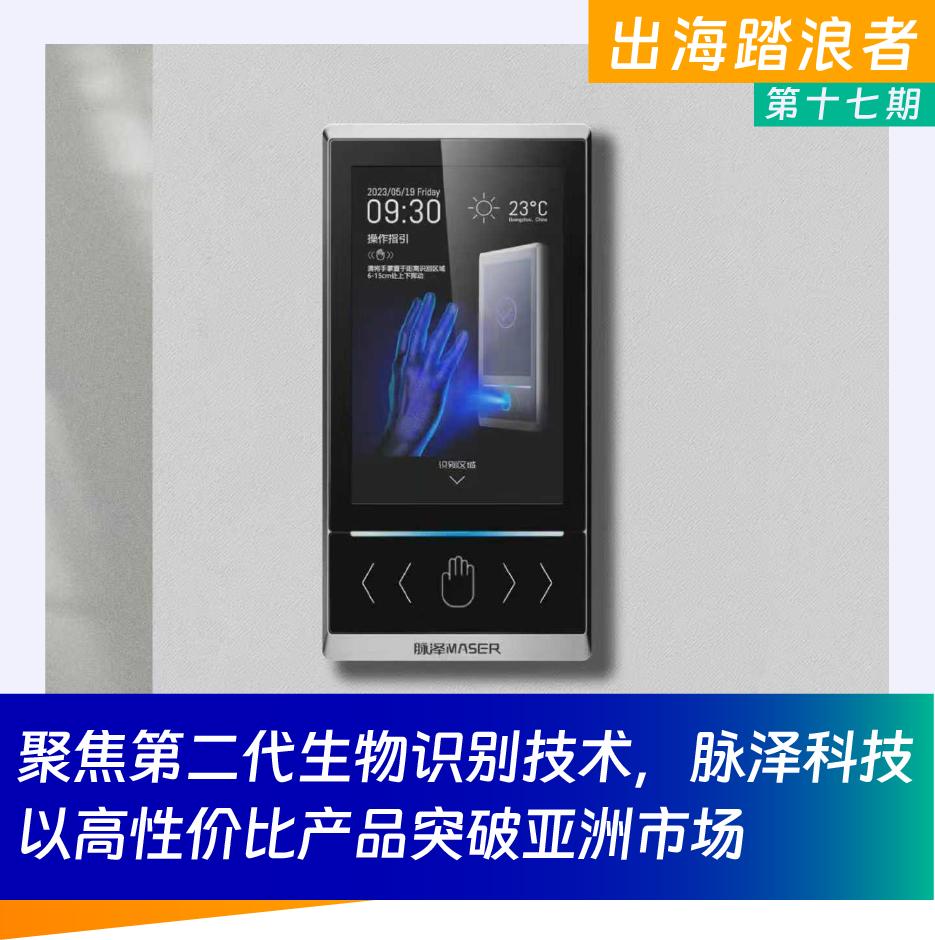
How can the third-largest biometric technology company after fingerprint and facial recognition break through the overseas market monopolized by gian

Introduction:
Going global is no longer an option for enterprises, but there are still many choices in the way of going global. Brand going global, supply chain going global, cross - border e - commerce... Behind each model, there are countless stories of arduous exploration by Chinese companies; In North America, Southeast Asia, the Middle East, Latin America... On every distant continent, there are more and more international presences of Chinese brands.
From attracting foreign investment forty years ago to "going global in groups" today, Qiantang, as the main front of Hangzhou's export - oriented economy, has always been the bridgehead for enterprises to transform themselves and break through for innovation. The China Enterprises International Service Center has long been concerned about overseas markets and enterprises going global. Based on this, in 2025, we launched a new column "Wave Riders Going Global" to find the benchmarks going global in various fields, disassemble practical cases from a professional perspective, precipitate methodologies in the process of seeking consensus, and explore differentiated development paths in non - consensus.
The following is the seventeenth article in this column.
In the movie "Transformers: Age of Extinction", the CEO of the KSI Group gently touches the console with his palm, and an invisible beam of light reads the vein pattern in his palm, successfully unlocking the company's core secret, the "Transformium". This futuristic scene is no longer a science - fiction fiction today, but is based on the already commercialized palm vein recognition technology. As the third major biometric technology after fingerprint and face recognition, palm vein recognition has moved from the silver screen to reality.
「Maize Technology」, a palm vein recognition technology service provider from Guangzhou, is exactly a core player in this field. This science and technology innovation enterprise, founded in 2021, relies on the Biometric Recognition and Intelligent Perception Laboratory of South China University of Technology to provide high - security and high - accuracy palm vein recognition algorithms and products for fields such as intelligent access control and identity authentication.
Zeng Xiangyu, the founder of Maize Technology, and Dong Yanjie, the CTO, are respectively responsible for market expansion and hardware R & D. Kang Wenxiong, the head of the laboratory and a professor at South China University of Technology, serves as the company's chief scientist. In the early days, the team mainly focused on algorithm optimization and product refinement. After years of accumulation, it has formed a barrier in the core technology field of palm vein recognition. Now, as market demand gradually awakens, the company's focus has shifted to project implementation. While promoting large - scale applications in domestic industries such as public security, finance, and the military, it has also set its sights on the broader overseas market.
01 Palm Vein: The Mainstream Route of the Next - Generation Biometric Technology?
In the post - credit scene of "Ne Zha 2", the great villain, Immortal Wuliang, cannot pass the face recognition system of the secret chamber because his face is swollen and deformed from being beaten. He needs to ask his apprentice to repeatedly hit his face to "restore his original appearance" before he can pass. Although this scene is a dramatized treatment in the film and television drama, it really hits the pain point of face recognition, which "relies on surface features and is easily affected by physical deformation".
The rapid popularization of face recognition has reconstructed the daily scenarios of identity verification. However, as the application deepens, its inherent technical shortcomings have gradually been exposed. In addition, face recognition also often causes extensive privacy disputes. Facial information may be collected and stored without the user's knowledge, facing the risk of leakage.
Fingerprint recognition, which has also been widely used, also has unavoidable problems: Fingerprint wear caused by long - term labor and fingerprint traces left in daily contact may be copied and used. Its security and stability cannot meet the needs of high - security scenarios.
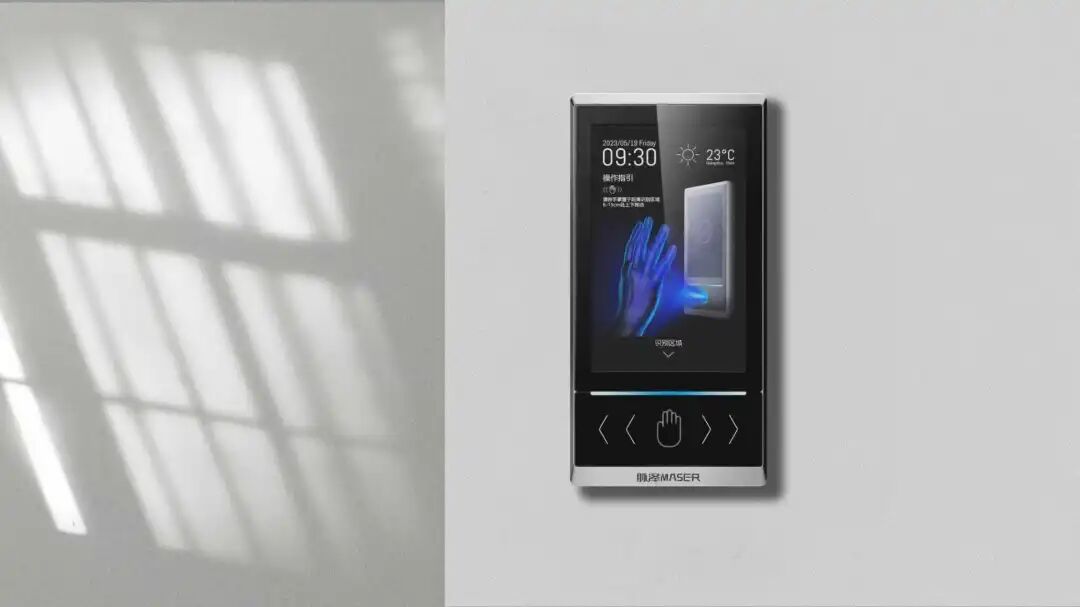
In contrast, the palm vein recognition technology uses 850 - nanometer near - infrared invisible light to irradiate the palm. Therefore, even when the palm surface is injured or contaminated, it can still accurately capture the subcutaneous vein patterns. "The performance of palm vein recognition is more balanced, achieving a good balance in uniqueness, security, stability, compliance, and convenience," Zeng Xiangyu explained.
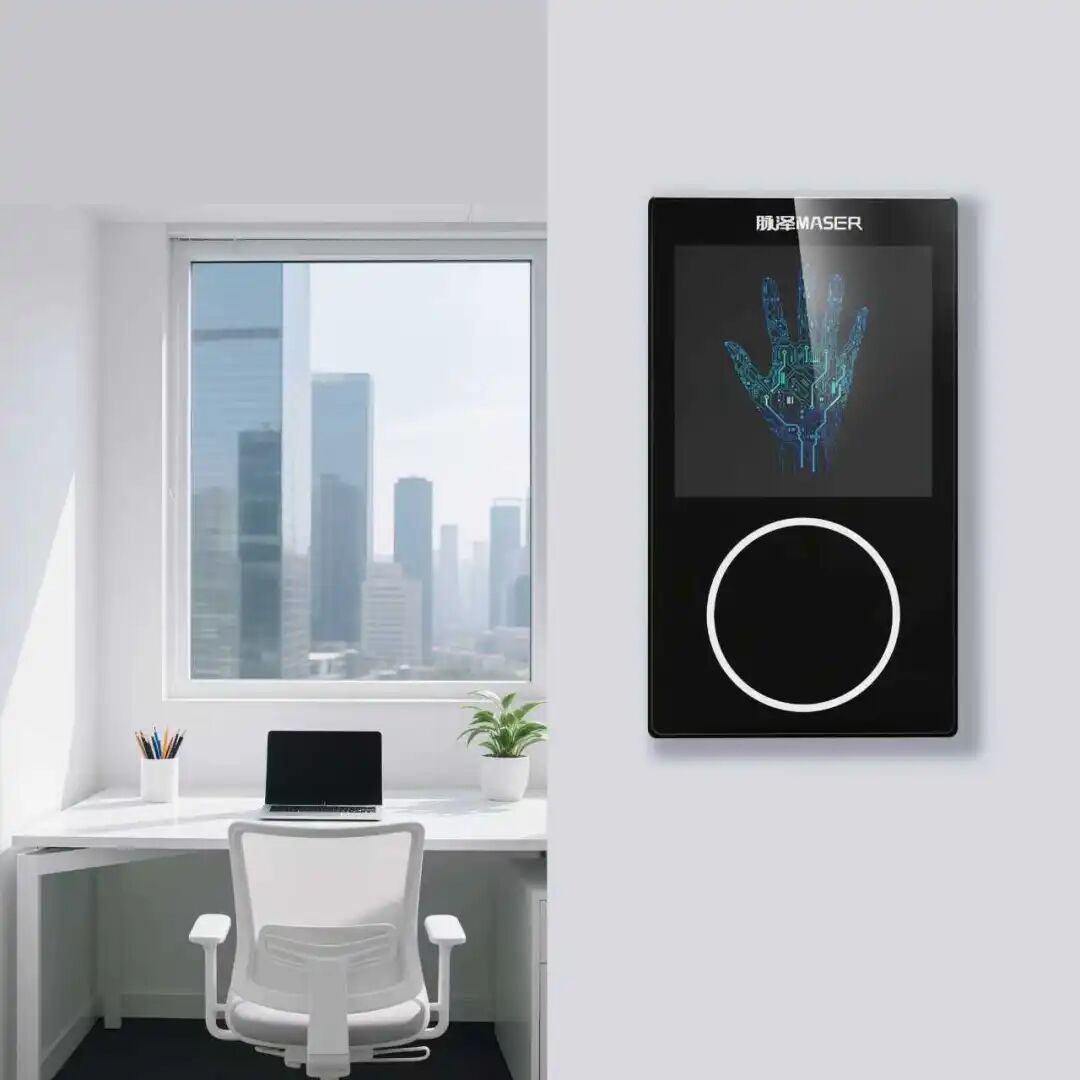
This biological feature hidden under the body surface has three advantages: First, it has the ability of in - built liveness detection. Only a living palm with blood flowing can form an image, and non - living or forged carriers cannot complete the recognition; Second, it has extremely strong anti - counterfeiting ability. The vein pattern is unique and stable for life, will not wear out like fingerprints, and cannot leave reproducible traces through daily contact; Third, it provides better privacy protection and is not as sensitive as facial information.
Since palm vein recognition has the above - mentioned advantages, but its previous popularity was much lower than that of face and fingerprint recognition, the core problem lies in the lack of hardware ecological support.
Specifically, face recognition is based on visible light imaging, and a camera can meet its hardware requirements. Smart terminals such as mobile phones are already equipped with cameras, providing a natural implementation scenario for rapid commercialization. Face recognition is also the best scenario for the large - scale implementation of early artificial intelligence algorithms, so it has received huge capital investment.
Zeng Xiangyu said that palm vein recognition requires a near - infrared light source. Currently, there is a lack of smart terminals equipped with this function in the market, and its input and recognition have higher requirements for hardware. Palm vein recognition technology companies not only need to overcome algorithms but also need to provide compatible hardware. The commercialization chain is longer, which results in far less market capital investment than that in face recognition. There are only a handful of scientific research teams focusing on this field globally.
In recent years, the significant decline in R & D costs and the change in the application scenario environment of biometric technology have created favorable conditions for the development of palm vein recognition.
Similar to face recognition, palm vein recognition relies on AI algorithms for feature extraction and comparison, which makes the early products have high requirements for chip performance, resulting in high costs. Maize Technology has achieved the technical advantage of "not being picky about chips" through algorithm optimization and can be compatible with general - purpose chips that can be easily purchased in the market, thus significantly reducing hardware costs.
"The cost of our terminal products has dropped by more than half compared with the early stage of self - research. Now the price is comparable to that of face recognition devices," Zeng Xiangyu revealed.
On June 1, 2025, the "Regulations on the Safe Application and Management of Face Recognition" were officially implemented, clearly stipulating that face recognition technology should not be used in places such as changing rooms and hotel interiors. At the same time, it stipulates that users who do not agree to face recognition verification should have other reasonable verification methods. Against this background, some scenarios such as stadiums, swimming pools, and enterprise changing rooms have also begun to seek other compliant and convenient solutions, which objectively promotes the development of the palm vein recognition industry.
02 Breaking Through in the Overseas Market with High - Cost - Performance Products
Currently, Maize Technology has launched more than a dozen hardware products, covering multiple product lines such as collection modules, access control and attendance all - in - one machines, and payment machines. At the same time, it has also launched cloud platform functions such as small - program access control management, enterprise attendance, and Web - end management software.
Although Maize Technology has made some arrangements in domestic industries such as the military, finance, and public security, the project cycle is long, and the inventory of access control products accumulated during the epidemic needs to be digested. Against the background of relatively sluggish domestic market demand, at the end of 2024, Maize Technology set its sights on the overseas market.
The research results of the overseas market have shown the Maize Technology team a huge opportunity: On the one hand, the early market education by Japanese and South Korean enterprises has made overseas customers have a certain understanding of palm vein technology. International giants such as Fujitsu and Hitachi in Japan have been deploying palm vein recognition for many years. They launched relevant products as early as 2004 and have built a mature business layout and formed a large - scale application advantage through early technology accumulation and extensive scenario implementation; On the other hand, overseas customers attach greater importance to privacy and security, which is in line with the core advantages of palm vein technology.
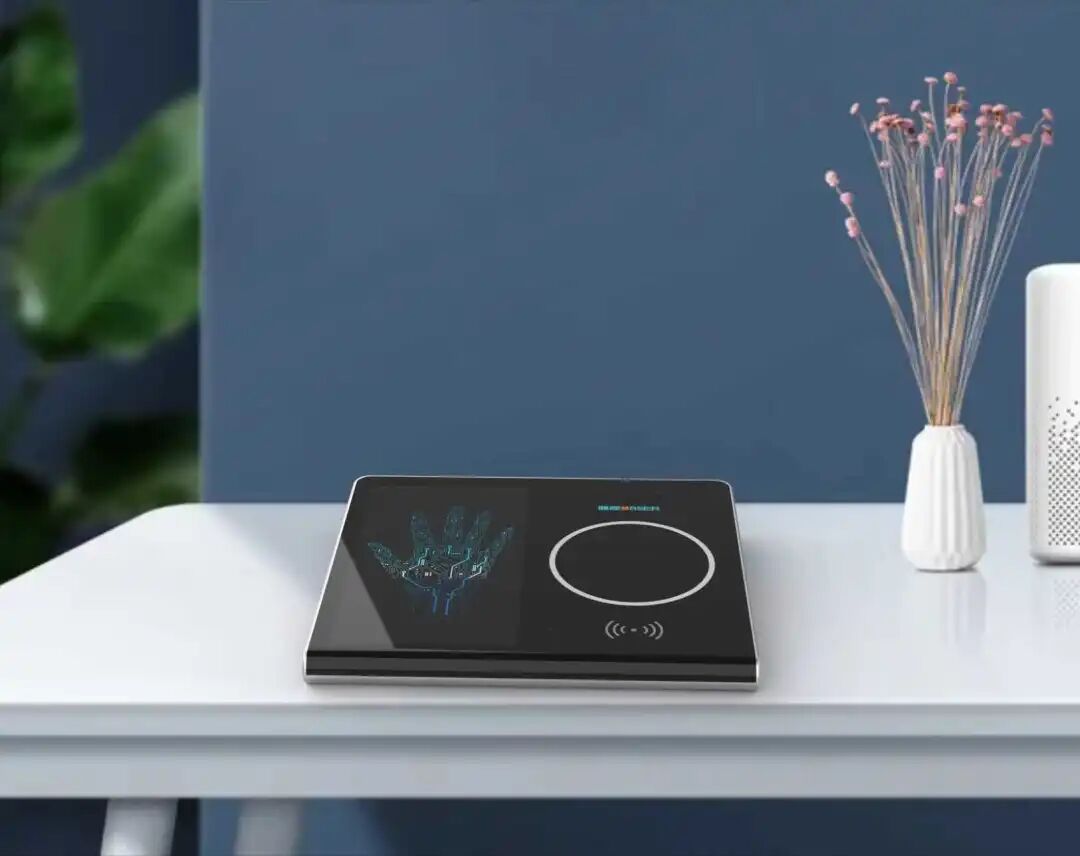
Compared with the products of Fujitsu and Hitachi, the products of Maize Technology perform more prominently in terms of technical performance. Zeng Xiangyu said, "Although Japanese enterprises launched relevant products as early as 2004, limited by traditional pattern recognition technology, the product iteration speed is relatively slow. However, the AI algorithm adopted by Maize Technology has achieved an advantage in technical performance."
The price advantage is also the competitiveness of Chinese companies such as Maize Technology. The product price of Maize Technology is only one - third of that of Fujitsu's similar products. Therefore, many overseas agents who originally represented Fujitsu and Hitachi have actively turned to cooperate with Maize Technology.
The sales logic of Maize Technology is not simply selling hardware, but a cooperation model centered on technology output. "We don't sell standardized products that customers can use directly after purchase. Instead, we provide full - link technical support from algorithms, modules to complete machines and systems," Zeng Xiangyu explained. This model requires customers to have a certain ability of secondary development, and the company's overseas expansion path has therefore been adjusted several times.
Initially, the team tried to expand the overseas market through foreign trade merchants in Guangzhou. However, they soon found that foreign trade merchants had limited knowledge of technology and could not respond to customers' technical consultations, resulting in slow progress in cooperation. Therefore, the company shifted its target customers to domestic overall solution providers with overseas business and cooperated with them by leveraging their channel resources in overseas security, fintech and other fields. Zeng Xiangyu also admitted that the project cycle of such cooperation is long, and the tracking cycle of some government projects is even more than one year.
Therefore, Maize Technology also takes exhibitions as the key customer - acquisition channel, combines short - video marketing and third - party e - commerce platforms to attract customers to visit on their own initiative. Through direct communication with customers, they can intuitively understand the core advantages of the products and promote the conclusion of cooperation.
Zeng Xiangyu found that the customers interested in Maize Technology's palm vein recognition products mainly include: Biometric solution providers who hope to enrich their product lines through palm vein technology; Original agents who were attracted by the significant cost - performance of Maize Technology's products and switched from representing international brands such as Fujitsu to cooperating with Maize Technology; System integrators who undertake government projects and need high - quality products to support project implementation; And fintech companies or third - party payment service providers who are concerned about the application prospects of palm vein payment.
Currently, Maize Technology's overseas customers cover multiple regions such as East Asia, Southeast Asia, the Middle East, South Asia, Africa, and South America. Among them, East Asia and Southeast Asia are the core markets, which benefits from the early market education by Japanese and South Korean enterprises. "Customers in these regions have a certain understanding of palm vein technology and have a stronger willingness to cooperate," Zeng Xiangyu introduced. Currently, the number of customers in the Middle East such as Saudi Arabia and Egypt, South Asia such as India and Indonesia, as well as South Africa and Brazil is also continuously increasing.
03 Leveraging Technological Advantages to Tap into the Incremental Market
Maize Technology's core future technology direction is to further strengthen the performance advantage of 1:N recognition. 1:1 verification aims to confirm that "the person is themselves" and is usually used to assist in proving a known identity. For example, when handling business, face or palm scanning is used to verify the information on the ID card. 1:N recognition, on the other hand, is to confirm "who you are" without the user pre - indicating their identity. The system directly compares the user's biometric features with the entire feature database to accurately locate an individual's identity in a large amount of data.
Currently, overseas palm vein manufacturers still provide the 1:1 verification mode, while Maize Technology's products can already achieve efficient 1:N recognition, which can support large - scale feature database comparison of 1:10,000 or even 1:100,000. This is also the key for Maize Technology to attract overseas customers.
Relying on the algorithm's advantage in 1:N recognition, Maize Technology will focus on the commercial field in the future and create a composite application model of "One - Palm - Pass". "The future trend is scenario integration. A single scenario often has multiple requirements such as access control, payment, and smart cabinet authorization at the same time," Zeng Xiangyu took the stadium as an example. Users only need to enter their palm vein information once to complete multiple operations such as access control for entry, unlocking the locker, and paying for beverage purchases, achieving "One - Palm - Pass for All".
Relying on the core advantages of liveness detection, high anti - counterfeiting ability, and privacy protection, the demand for palm vein recognition in fields such as security and finance is also becoming increasingly prominent. Currently, these fields are also the core areas for Maize Technology's technology implementation.
Facing the layout of other domestic technology giants in the field of palm vein payment, Maize Technology said that it will not compete directly with large enterprises. "Large enterprises focus on large - scale commercial payment scenarios, which is not our advantage," Zeng Xiangyu said. Maize Technology positions itself as a technology output provider and does not plan to directly target C - end consumers. Instead, by empowering B - end customers, it enables palm vein technology to indirectly serve software providers, operators and other customers in the industry. At the same time, Maize Technology will also continue to focus on technology R & D and module authorization and deepen cooperation with various solution providers.
With the in - depth development of the digital economy, the application boundaries of palm vein recognition technology are also continuously expanding. Zeng Xiangyu introduced that some enterprises have begun to explore its possibilities in emerging fields such as the Web3 ecosystem and digital identity authentication. Relying on the in - vivo feature attributes of palm veins, such as "unforgeable and stable for life", it provides more secure underlying support for scenarios such as identity verification in the virtual space and on - chain interaction.
This article is from the WeChat official account "Hangzhou Qiantang Enterprise Going Global Service Base", author: Zhejiang Enterprises Going Global.