Cultural Global
Is it still profitable to expand business in Vietnam? | Overseas Business Insights



Special Contributor | Huo Ruikang
Vietnam is becoming one of the popular destinations for Chinese enterprises to go global.
Take Bac Ninh Province as an example. It is less than 40 kilometers away from Hanoi, the capital of Vietnam, and has attracted more than 2,100 investment projects, including over 600 from Chinese enterprises. Electronic industry projects account for a very high proportion.
Why has Vietnam become a popular choice for Chinese enterprises to go global? Chien, the person in charge of investment promotion in Bac Ninh Industrial Park, said, "It is close, has similar culture, low labor costs, and favorable policies."
Xiao Fu is studying in Vietnam and receives a large number of inquiries from Chinese enterprises every day. Many bosses urgently ask her to help investigate industrial parks. Xiao Fu used to sell industrial software in China. At the beginning of 2024, she found that many customers intended to go global to Vietnam, so she quit her job and went to Vietnam to seek development opportunities. Besides her studies, she started a self-media account and introduced the Vietnamese market to the outside world through short videos, sharing opportunities for setting up factories there.
Wu Guanye, who came to Vietnam to open a packaging factory during the same period, had a very different experience. The rising raw material prices and the increasing difficulty in recruiting workers made him more and more distressed. Sometimes he even had to work in the factory himself.
General Manager Wu said bluntly that the current policies and environment in Vietnam are not suitable for all Chinese enterprises. Many enterprises came to Vietnam for the low costs and tariff advantages. Now, the labor costs are almost the same as those in the central and western regions of China. The US-Vietnam trade agreement has also led to the loss of half of the orders. The profit pressure is even greater than that in the domestic market. Many enterprises, like General Manager Wu's factory, are in the dilemma of "facing rising costs before enjoying the dividends", and the difficulty of making a profit far exceeds expectations.
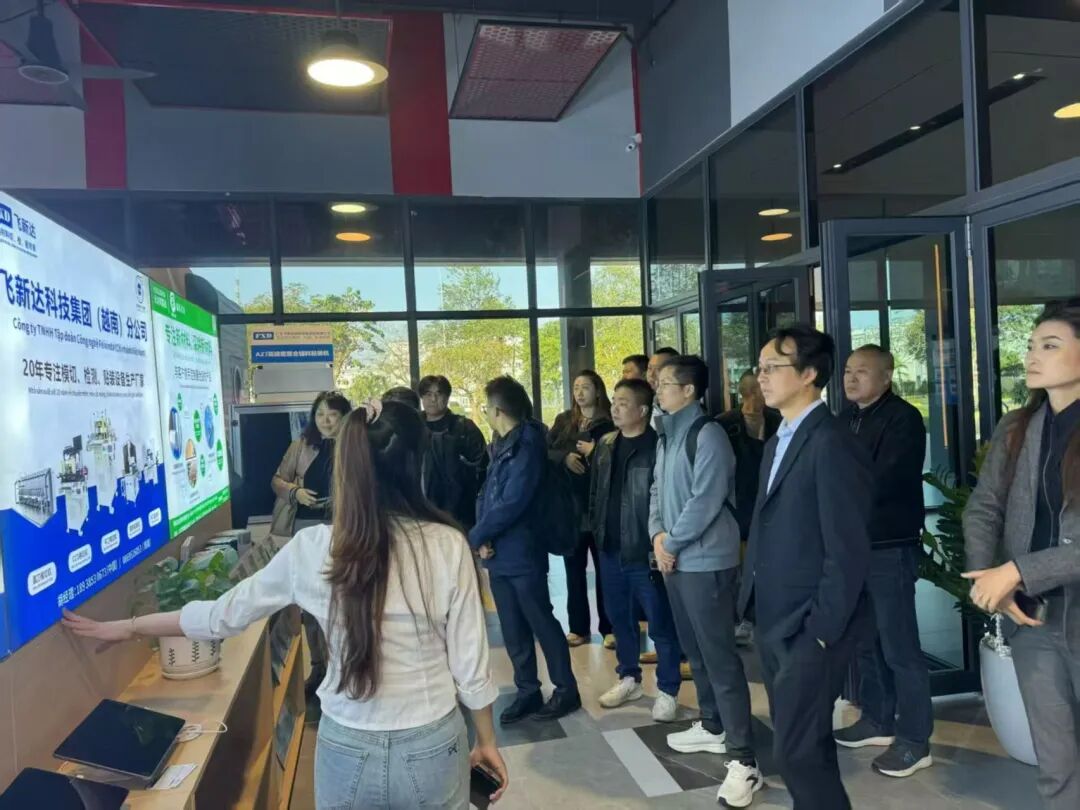
Xiao Fu also mentioned that although many Chinese bosses go to Vietnam for investigations with a very anxious and urgent mood, they are becoming more and more cautious when it comes to actually deciding to invest and set up factories. It is often more talk than action. The author's on-the-spot investigation found that the following four major problems currently hinder Chinese enterprises from investing in Vietnam.
01
Continuously rising land prices

The 2025 "Industrial Insider" report of Savills Vietnam reveals that the cost of industrial land in Vietnam is constantly rising.
Driven by the demand for industrial land leasing in Vietnam from domestic and foreign investors, the southern region of Vietnam shows strong market attractiveness. The occupancy rate of industrial land reaches 90%, the average land price is $191 per square meter, the occupancy rate of ready-made factories reaches 92%, and the average rent has risen to $4.4 per square meter per month.
The occupancy rate of industrial land in northern Vietnam also reaches 86%, the average land price is $141 per square meter, and the average rent is $5.1 per square meter per month, which is close to the industrial land price in Dongguan (calculated at 700,000 yuan per mu, about $161 per mu).
In addition, the rent increase of industrial land is also becoming more and more obvious. In 2020, the average rent in northern Vietnam was $3.2, and it has increased by 59.4% in 2025, with an average annual increase of 10%. The rent of some parks near Samsung and LG production bases even reaches $6.3.
Relevant calculations show that during the period from 2025 to 2030, the land demand of the Vietnamese electronics manufacturing industry will grow at an average annual rate of more than 12%, and the land price is expected to continue to rise. According to statistics, land costs account for about 60% - 70% of the total investment cost. The increase in land costs undoubtedly adds an operational burden to Chinese enterprises that want to set up factories in Vietnam.
02
The dual pressure of labor costs and employment difficulties
The double pressure dilemma

Data from the General Statistics Office of Vietnam shows that in 2018, the average monthly salary in Vietnam was about 5.8 million Vietnamese dong (about 1,682 yuan per month), and by 2025, this figure has risen to 8.31 million Vietnamese dong (about 2,300 yuan per month), with an average annual increase of 4.5%.
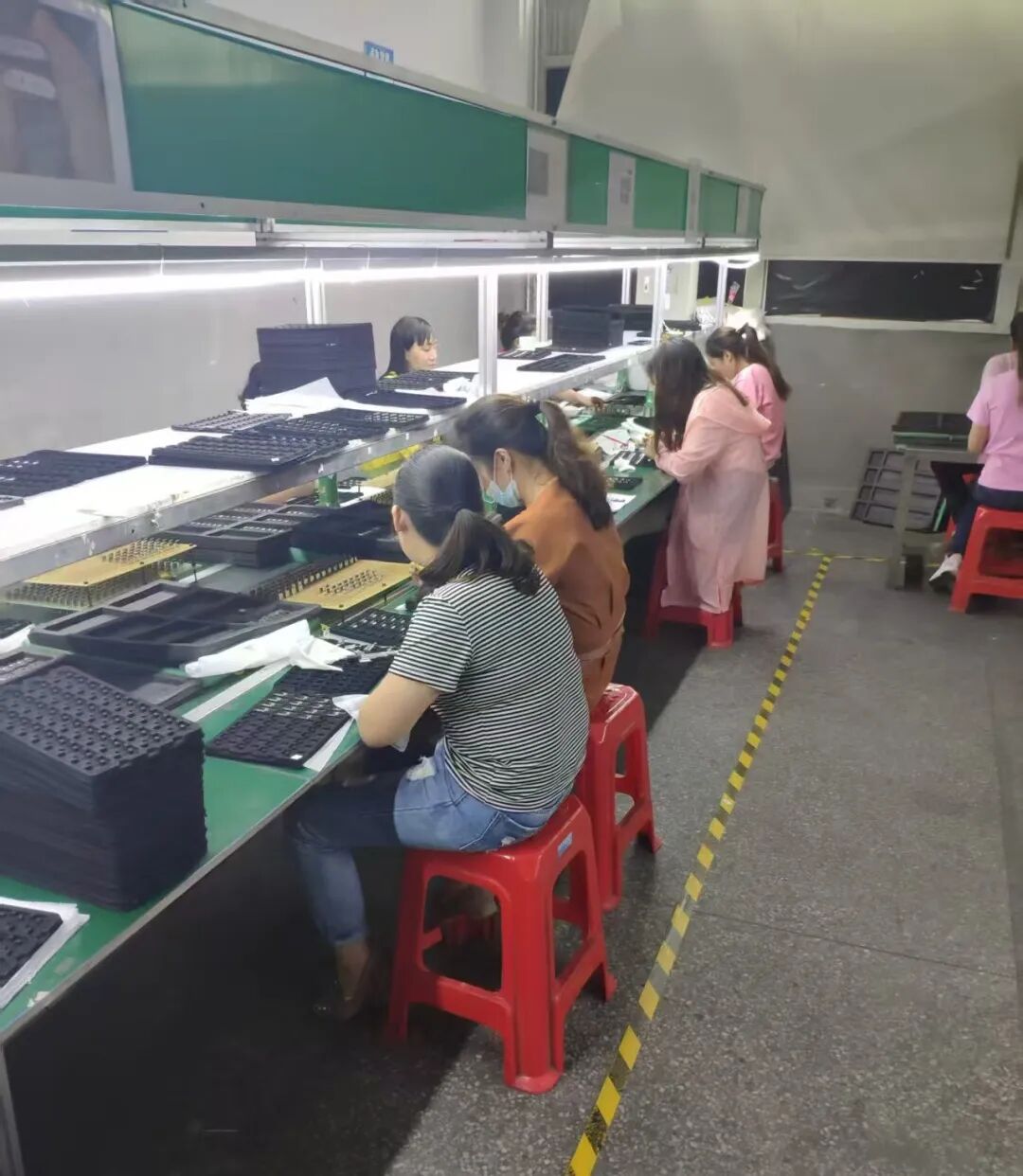
Enterprises feel this more strongly. In Bac Ninh Province, where Chinese enterprises are concentrated, Roger, who is responsible for helping enterprises recruit blue-collar workers, introduced that the salary of skilled technical workers is basically between 2,200 - 3,500 yuan. It is very difficult to recruit workers with a monthly salary of less than 2,200 yuan. The salary of some positions with more overtime can exceed 4,000 yuan during the peak season, which is close to the level in the central and western regions of China. However, in terms of labor efficiency, Vietnamese workers are only 80% of their Chinese counterparts in similar positions.
The labor shortage and the mismatch of the talent structure make it difficult for enterprises to operate. There is fierce competition for workers in electronics factories. Enterprises in the park poach each other's employees, and there is even a vicious competition of "poaching a line leader and taking away the entire production line of employees". Small and medium-sized enterprises are deeply affected.
Behind this is the "involution" of salaries in large factories. Take the Foxconn factory in Bac Ninh as an example. According to Vietnam News, at the beginning of 2025, Foxconn introduced policies to attract Vietnamese workers, ensuring that workers' monthly income reaches 9 - 12 million Vietnamese dong (2,400 - 3,200 yuan), and issuing bonuses according to work experience, providing incentives such as interview bonuses and referral bonuses.
Large factories raise the overall local labor cost by increasing salaries and benefits to "grab" workers. A person in charge of an electronics contract factory in Bac Ninh Province said helplessly, "It is more difficult to recruit workers here than in China. If you offer a monthly salary of 2,200 - 2,800 yuan to recruit skilled SMT workers, you have to wait for a month, and often someone will be poached by Foxconn or Samsung with a high salary of over 3,500 yuan after working for a few days."
Enterprises also face difficulties in recruiting senior talents. Roger introduced that a plastic products enterprise wants to recruit Vietnamese technical salespeople who understand Chinese or Korean. Even if the basic salary is set at $5,000, they still can't find anyone.
The "involution" of large factories also highlights the shortage of talent supply in Vietnam.
According to Vietnam ICT News, at the regular press conference of the Vietnamese government in June 2025, Deputy Minister of Education and Training Pham Ngoc Thang said that the proportion of students in STEM (science, technology, engineering, mathematics) - related majors at the university level in Vietnam is on average 28% - 30%, only 600,000 people. In China, the figure is 41% at the undergraduate level, 58.5% at the postgraduate level, and 80% at the doctoral level. The development of vocational colleges in Vietnam is relatively backward, which cannot support the talent needed for its electronics industry. Enterprises have to bear high pre - job training costs but still have difficulty meeting the needs of precision electronics manufacturing.
03
Double pressure from management and compliance
Operational risks increase sharply

In addition to the rising land costs and the difficulties in recruitment and employment mentioned above, Chinese enterprises also face double challenges of management and compliance in their operations in Vietnam.
Similar to the employment market in China, more and more Vietnamese young people are reluctant to work in factories and prefer more flexible jobs such as food delivery or taxi - driving. The attractiveness of manufacturing jobs has declined, and many factories have a capacity utilization rate of less than 50% due to a shortage of workers, further pushing up the unit production cost.
In addition, the Vietnamese culture also makes Chinese - funded enterprises feel out of place. Roger believes that Vietnamese young people have relatively low work loyalty and "quit when they are unhappy". This leads to prominent problems of labor discipline among young workers, such as being late, leaving early, and absenting without reason. It is difficult for enterprises to effectively implement their rules and regulations.
More importantly, the labor - capital relationship in the Vietnamese employment market is complex. The Vietnamese trade unions are powerful and have strict requirements for salary, benefits, and working environment. Labor - capital negotiations are long and difficult, seriously squeezing the profit margins of enterprises. In addition, European and American customers have high requirements for labor protection of suppliers, and employees can only work 180 - 210 hours per month at most.
A person in charge of an electronics factory revealed, "Last year, when we wanted to adjust the overtime system, it took more than three months to reach an agreement with the trade union, and there was a lot of capacity loss during this period."
Risks at the compliance level also follow one after another. The Vietnamese customs is increasingly strict in supervising the work of foreigners in Vietnam and frequently conducts identity checks in industrial parks. Chinese employees who work in Vietnam briefly with tourist visas are easily discovered and repatriated, which is not a long - term solution for enterprises. Secondly, new regulations such as the "Chemical Law" implemented in 2025 have strengthened compliance requirements such as environmental assessment and fire protection. Enterprises need to invest funds to improve the compliance system and maintain government relations, and the hidden expenses have increased significantly.
04
The advantage of entrepot trade is no longer there
The vulnerability of the supply chain is highlighted

In Vietnam, a large number of industries actually adopt a "two - ends - outside" model of "relying on imports for core raw materials and relying on exports for finished products".
Du Thi Thuy Huong, a member of the Executive Committee of the Vietnam Electronics Enterprises Association, pointed out that although electronic products are a commodity category with significant export growth in Vietnam, Vietnamese enterprises mainly undertake the assembly process with low added value, accounting for only 5% - 10% of the total export volume. The economic benefits obtained in the global electronics supply chain are limited. A report released by the global market analysis institution Gartner in 2024 shows that in the second quarter of 2024, the average import dependence of raw materials of Vietnamese electronics contract manufacturers was as high as 68%.
The trade agreement reached between China, the US, and Vietnam in 2025 has made this global supply chain more vulnerable.
Lora, who works in the legal field in Vietnam, introduced that since the third quarter of 2025, under the pressure of the US, the Vietnamese government has launched a "China goods entrepot monitoring system" to severely crack down on the forgery of certificates of origin. If products cannot prove that they meet the standard of more than 30% local raw material content or substantial processing, they will be regarded as "Chinese entrepot trade". They will not only be unable to enjoy the preferential tariffs between the US and Vietnam but may also trigger anti - circumvention investigations and be subject to a 40% punitive tariff. Even for goods produced locally in Vietnam and meeting the origin requirements, a 20% tariff is still required for exports to the US.
The US has simultaneously implemented the "Trade Enforcement Enhancement Act" to impose "collective punishment" on third - country enterprises and countries that assist Chinese entrepot trade. The US Customs and Border Protection (CBP) requires a full - chain traceability of goods exported to the US, from screws to finished products. If a product is assembled in Vietnam but its core components are from China and not truthfully declared, it may still be judged as a violation.
These policies force Chinese enterprises to abandon entrepot trade, turn to real local production, and use local supply chains, further pushing up costs. Unfortunately, many industrial supporting facilities in Vietnam are not complete, and there is a shortage of local suppliers. Even if enterprises have orders, local factories may have difficulty completing deliveries smoothly.
Enterprises also spend more energy on importing raw materials and components from China. Although the Vietnamese customs has implemented a "green - yellow - red" risk classification mechanism to provide import convenience for enterprises, most small and medium - sized enterprises still have difficulty meeting the standards.
A practitioner in the electronics parts trade complained helplessly, "The customs policies are updated monthly. The classification of goods is complex, and the document requirements are strict. A colleague filled in a wrong HS code, and the entire batch of goods was detained at the customs for two weeks. The frequency of customs inspections is increasing, and it's really overwhelming."
He also added, "In the current situation of Vietnam, except for enterprises that have received orders from large factories in Vietnam or those targeting the Vietnamese domestic market, it is quite difficult for other small and medium - sized enterprises to survive in Vietnam." If small and medium - sized enterprises fail to enter the supply chain of core enterprises, they will face multiple challenges such as unstable orders, difficulty in recruitment, difficulty in compliance, and high costs.
Therefore, in the current complex and changeable global economic situation, Chinese enterprises in Vietnam are facing more and more challenges. How to find the right position and effectively deal with these challenges has increasingly become the key to the sustainable development of Chinese enterprises in this land.
*The views expressed are from the interviewed institutions or individuals and are for reference only.
This article is from the WeChat official account "Zhejiang Enterprises Going Global Comprehensive Service Port", author: Zhejiang Enterprises Going Global.