Cultural Global
Singapore is equipped with advanced manufacturing elements, offering Chinese enterprises a new choice for going global | Global Expansion Insights


Source | Frontline of Entrepreneurship
Author | Lin Yan
Editor | Lightning
Art Designer | Xing Jing
Reviewer | Song Wen
Last month, another tea beverage brand announced that it would set up shop in Singapore.
As of now, many domestic new consumer brands such as Haidilao, Luckin Coffee, HEYTEA, Nonggengji, and Mixue Ice Cream & Tea have landed in Singapore, opening more than 400 stores.
Meanwhile, the presence of Chinese manufacturing enterprises is increasingly seen in industrial parks across Singapore.
If new consumer brands value Singapore's position as a gateway to Southeast Asia and use it as a testing ground for entering larger international markets. Then, what exactly do Chinese manufacturing enterprises see in setting up in Singapore?
The answer to this question lies in the other side of Singapore's economy - the global high - ground of advanced manufacturing.
01
Good Things Come in Small Packages

Most people associate Singapore with an international shipping, trade, and financial center, but they often overlook another aspect of Singapore's economy: its developed manufacturing industry. In fact, Singapore's manufacturing industry can be perfectly described by the saying: Good things come in small packages.
Let's first look at two figures: 20% and 6.
20% refers to the fact that Singapore's manufacturing industry has consistently accounted for over 20% of its GDP. To some extent, this reflects the scale and quantity of Singapore's manufacturing industry. Taking the 2024 data as an example, Germany's GDP was $4.66 trillion, with the manufacturing sector accounting for about 17.8%; Singapore's GDP was $561.9 billion. This means that with about one - five - hundredth of Germany's land area, Singapore has created nearly two - thirds of Germany's manufacturing output value.
6 refers to the six lighthouse factories located in Singapore, which represents the weight and status of Singapore's manufacturing industry globally. The lighthouse factories are jointly initiated by the World Economic Forum (WEF) and McKinsey & Company. Factories that receive this recognition are generally regarded as benchmarks for global smart factories. Singapore is the city in Southeast Asia with the most lighthouse factories, and it ranks second only to Shanghai (7) in Asia.
These two figures give us a general picture of Singapore's manufacturing industry: it is of a considerable scale and high in "quality". The settlement of major global industrial giants in Singapore allows us to see the framework of Singapore's manufacturing industry. Taking the biomedical and new energy industries as examples, we can get a glimpse of the whole picture.
One out of every ten contact lenses in the world is produced in Singapore. Alcon, the world's largest ophthalmic medical device company from the United States, has been building a contact lens production base in Singapore since 2005 and continuously expanding its production capacity. As of 2023, it has累计 invested nearly $600 million, with an annual production capacity of one billion contact lenses, accounting for about 10% of the global market share.
It's not just Alcon that has set up in Singapore. In fact, six out of the world's top ten medical technology companies have production or R & D bases in Singapore, including Thermo Fisher, Abbott, Medtronic, etc.
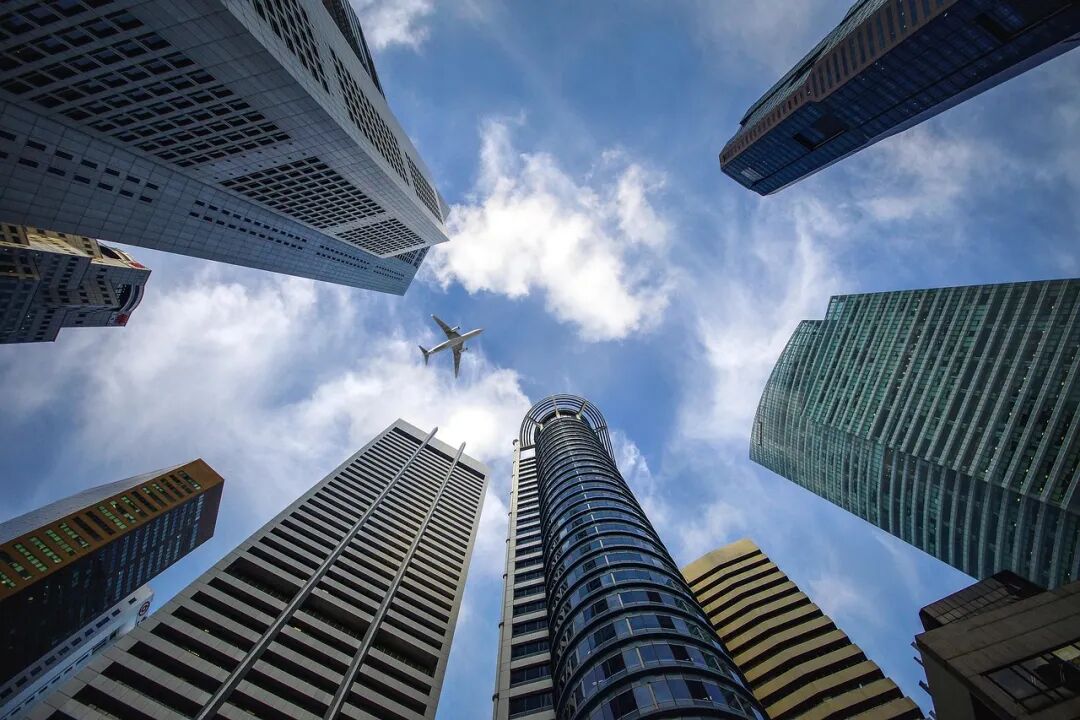
In addition, Singapore has electric vehicle assembly plants. Is that a bit of a surprise? In 2023, the Hyundai Motor Mobility Innovation Center established by the South Korean Hyundai Motor Group in the Jurong Innovation District (JID) in Singapore was officially put into use. This innovation center is Singapore's first electric vehicle manufacturing plant, focusing on the R & D of electric vehicle business models and exploring intelligent manufacturing using industrial 4.0 technologies such as AI and robots. According to the plan, the center can produce up to 30,000 electric vehicles per year, and about half of the work in the factory is done by robots.
Singapore is forming a complete industrial chain around electric vehicles and the new energy industry. In terms of front - end R & D, Gotion High - tech, a leading domestic lithium - battery company, has jointly launched an intelligent energy laboratory with the National University of Singapore, focusing on research to improve the performance of electric vehicle batteries in tropical climates.
Star Source Materials, which specializes in lithium - ion battery separators, also announced in July last year that it plans to invest a total of about HK$210 million to build an operation and R & D center in Singapore to research and develop solid - state battery - related products, other functional membranes, and next - generation lithium - ion battery separator products.
According to publicly available data, Singapore is the world's fifth - largest exporter of high - tech products, with high - tech products such as pharmaceuticals, electronic integrated circuits, and mechanical equipment accounting for about a quarter of its exports. This is sufficient to illustrate the high "quality" of Singapore's manufacturing industry.
02
Enabling Advanced Manufacturing Enterprises to "Move in with Ease"

To some extent, when manufacturing enterprises choose a destination for overseas expansion, it's similar to inspecting a property. They not only look at the project's own hardware conditions but also consider factors such as surrounding facilities and transportation convenience. For advanced manufacturing enterprises, Singapore is creating an experience similar to moving into a fully - furnished apartment.
The infrastructure resources such as land, water, electricity, and transportation required by advanced manufacturing are like the hard - and soft - furnishings of a house and are the primary factors affecting a company's decision to settle in. In this regard, Singapore ranks first in Asia and among the top in the world. According to the 2024 Global Competitiveness Yearbook compiled by the International Institute for Management Development in Lausanne, Switzerland, Singapore ranks 4th in the world and first in Asia in terms of infrastructure.
In terms of land, Singapore has overcome the constraints of land resources through meticulous spatial planning: The Singapore government offers various types of spaces to support the development of advanced manufacturing. For example, the Tuas Biomedical Park developed by JTC Corporation is an industrial park specifically designed for biomedical manufacturing, and there are numerous industrial space options represented by Bulim Square and Mapletree Hi - Tech Park.
Regarding water and electricity resources, which are extremely important for the manufacturing industry, in 2024, Singapore achieved an average power outage duration index of 0.15, which means that in the extremely rare event of a power outage, each enterprise experiences an average outage of only 9 seconds. Industrial water can use deeply - treated recycled sewage, costing only S$2.50 per cubic meter, about 23% cheaper than drinking water. Moreover, factories do not need to invest extra in water treatment systems in addition to the water price, saving a considerable amount of money.
When inspecting a property, people usually look at its location and the convenience of transportation such as the subway and buses. When enterprises expand overseas, they not only care about where to produce but also how to easily access global markets after production. There's no need to elaborate on the geographical convenience of Singapore. For advanced manufacturing, it is also a global industrial hub and offers easy access to the world.
In the production stage, enterprises can leverage the linkage between Singapore and Malaysia and the complementary advantages of the two places to achieve greater development. At the beginning of 2025, Singapore and Malaysia signed a cooperation agreement on the Johor - Singapore Economic Zone, offering double dividends to global manufacturing enterprises, that is, setting up headquarters in Singapore to enjoy advantages such as talent and tax incentives, and establishing factories in Johor, Malaysia, to benefit from lower labor and land costs. For example, GDS Holdings Limited, China's largest third - party data center operator, has established an international headquarters in Singapore and is building a large - scale data center park in Johor, Malaysia, fully leveraging the advantages of both places to better serve customers in the Southeast Asian region.
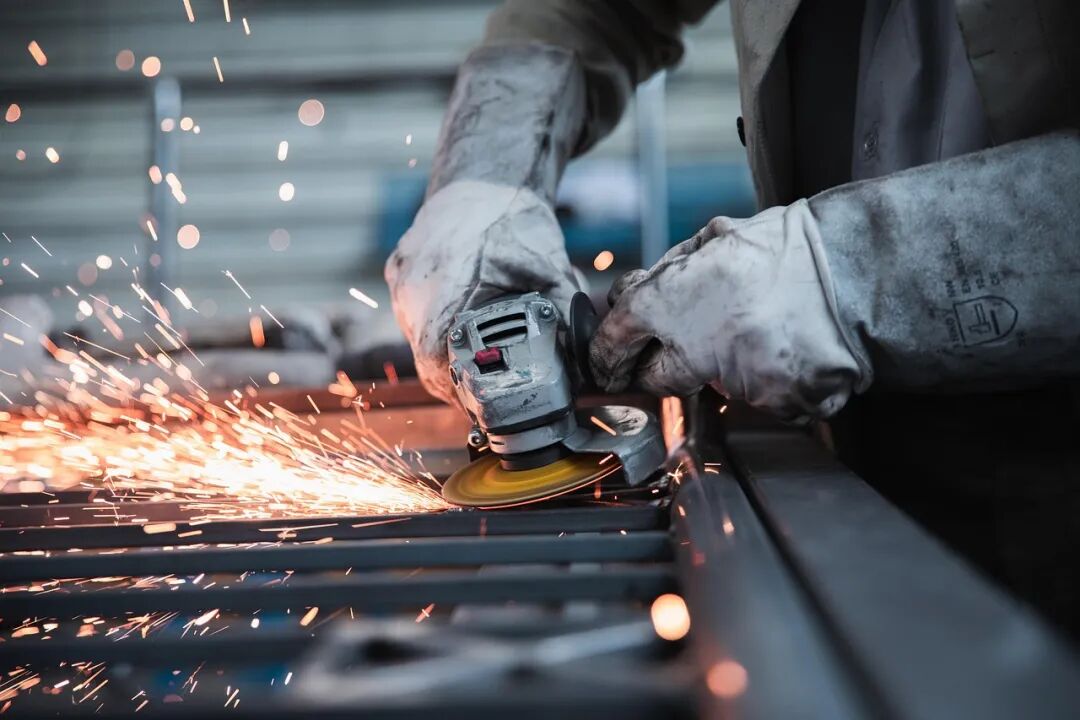
In the distribution stage, enterprises can use Singapore as a gateway to broader markets. First of all, Singapore is the gateway to the most economically dynamic Southeast Asian region. It is expected that Southeast Asia will become the world's fourth - largest economy by 2030, with a combined GDP of $4 trillion. Enterprises can use Singapore to better reach this large market of 700 million people.
Second, Singapore's status as a global aviation and shipping hub enables enterprises located there to access the world at low cost and high efficiency. Singapore ranked first in the World Bank's 2023 Logistics Performance Index, and 99% of goods customs declarations are processed within 10 minutes. Singapore is also a global trade hub, having signed 29 free trade agreements with multiple countries, covering 85% of the world's GDP.
The end - to - end manufacturing ecosystem allows enterprises to make a leap from a "rough - finished house" to a "fully - furnished apartment". Overseas expansion in the manufacturing industry usually means restarting the entire process from factory construction, R & D and production, to supply - chain establishment and industry ecosystem development. Singapore's developed advanced manufacturing industry has nurtured a complete end - to - end manufacturing ecosystem, which can help newly - established enterprises quickly complete the initial stage from 0 to 1.
For example, in the supply - chain establishment stage, there are more than 2,700 precision engineering and electronic manufacturing service enterprises and more than 286,000 small and medium - sized enterprises across various industries in Singapore, which can provide cost - effective supply - chain support for various manufacturing industries. SICK AG, a German sensor company, established its Asian product center in Singapore and cooperated with Meridian Innovation, a local thermal imaging company in Singapore, to overcome the potting technology for precision components. This allowed the company to avoid the time and capital costs of re - R & D, shorten the product launch cycle, and improve production stability.
The R & D environment and talent support are like the value appreciation and preservation of a house for advanced manufacturing enterprises and are crucial for their long - term development. Singapore's cultivation of R & D starts from top - level design. It is understood that Singapore invests about 1% of its GDP annually in the Research, Innovation and Enterprise (RIE) strategy and has established the National Program Office (NPO) to promote the development, deployment, and commercialization of advanced manufacturing technologies in the manufacturing field. In the past 20 years, a total of $60 billion has been invested to build world - class research infrastructure, capabilities, and talent teams.
According to the IMD World Talent Ranking 2025, Singapore ranks 7th in the world in terms of talent competitiveness. The labor cost and salary levels in Singapore's manufacturing industry are comparable to those of leading manufacturing countries such as Switzerland, the United States, and the United Kingdom.
The above - mentioned advantages explain the other side of Singapore's economy - how it has become a high - ground for advanced manufacturing and why it attracts Chinese manufacturing enterprises to set up there.
03
An "Accelerator" for the Internationalization Process

Based on a survey of more than 500 Chinese - funded enterprises in Singapore, the "Annual Development Report of Chinese - funded Enterprises in Singapore (2024 - 2025)" shows that technology and software, biotechnology, and healthcare are the high - growth sectors with the greatest potential in Singapore according to Chinese - funded enterprises; renewable energy, intelligent manufacturing, etc. are also considered high - growth sectors in the future.
The fields of medical technology, robotics and autonomous driving, and battery innovation are precisely the focus of Singapore's future manufacturing industry planning and the key areas for attracting investment from Chinese enterprises: Singapore hopes that Chinese enterprises in the above - mentioned fields will invest in building factories, conduct R & D and innovation, and even set up regional or international headquarters in Singapore.
Currently, many Chinese manufacturing enterprises that have settled in Singapore have already tasted the benefits and accelerated their internationalization process.
In the field of medical technology, Singapore provides full - chain support for enterprises from early - stage research, clinical trials, product registration to production, manufacturing, and sales distribution. Currently, more than 400 global and regional medical technology companies have gathered in Singapore, including more than 50 regional headquarters or R & D centers established by foreign companies such as Medtronic, Abbott, Johnson & Johnson, and Bayer, as well as more than 30 manufacturing plants, with more than 17,000 employees. Eight out of the world's top ten pharmaceutical companies conduct production or R & D operations in Singapore.
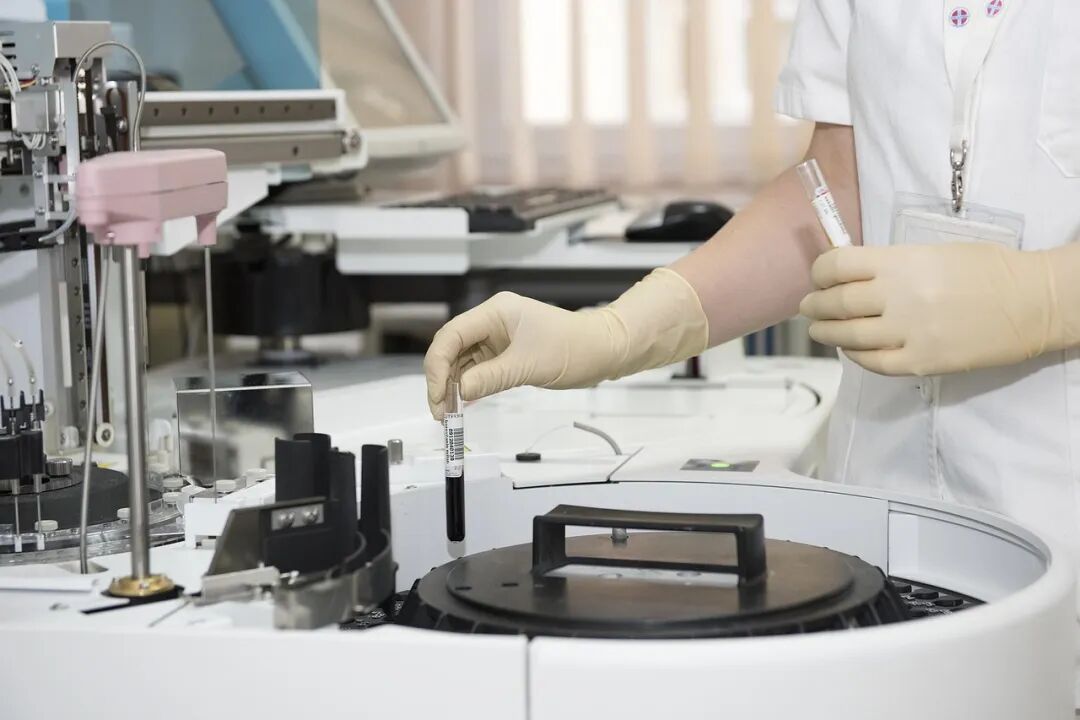
Juyi Technology, a Chinese enterprise that provides CDMO (Contract R & D and Manufacturing Organization) services for global medical device and biomedical companies, established its global overseas headquarters in Singapore in 2023 to improve its R & D efficiency. In the more than one - year period since then, Juyi Technology has successively reached cooperation agreements with institutions such as A*STAR, a national - level research institution in Singapore, and the National University of Singapore to explore advanced manufacturing technologies and provide R & D and production services for enterprises in the ecosystem of the MedTech Catapult.
In the field of robotics and autonomous driving, the Singapore government attaches great importance to the robotics industry and has set up a special project office to promote the development of the local robotics ecosystem. For example, it has allocated 325 million yuan for the National Robotics Program to support the R & D of robotics technology and encourage more enterprises in industries such as manufacturing, logistics, and healthcare to adopt robotic solutions. Singapore is also an important participant in the global autonomous driving field, having successfully deployed various application scenarios such as autonomous buses, freight vehicles, and street - cleaning vehicles. The Centre of Excellence for Testing and Research of Autonomous Vehicles (CETRAN) at Nanyang Technological University in the Jurong Innovation District is the first autonomous driving test center in Southeast Asia.
In 2021, HAI Robotics, a Chinese logistics and warehousing robot company, established its Southeast Asian headquarters in Singapore. After settling in, it has maintained close cooperation with the Supply Chain Management Innovation Center of the Republic Polytechnic of Singapore to jointly create more intelligent warehousing automation solutions. Using Singapore as a springboard, it has expanded cooperation with multinational enterprises in the Asia - Pacific region and further explored the Southeast Asian market.
In the field of battery innovation, it has become a trend for Chinese battery industry chain enterprises to flock to Singapore. Singapore plans to gradually phase out the sales of new internal combustion engine vehicles by 2030, and Southeast Asia is one of the major markets for China's electric vehicle exports. Lithium - battery and related industry chain enterprises value Singapore's scientific research strength and the potential of being close to the rapidly growing electric vehicle market in Southeast Asia. Many Chinese battery industry chain enterprises, including Gotion High - tech and Star Source Materials, have successively expanded overseas to Singapore or plan to set up branches.
04
Conclusion

Chinese enterprises' preference for Singapore goes beyond a single consideration of location or cost. It represents a deep recognition of its "high - end, precise, and cutting - edge" manufacturing ecosystem and global hub value.
In the past two decades, the overseas expansion of Chinese manufacturing has mostly been based on the core logic of "low - cost expansion". However, as the industry upgrades towards high - end, intelligent, and international development, development high - grounds with a dense talent pool, advanced technology, a complete ecosystem, and global connectivity have become the key for Chinese advanced manufacturing to layout globally - Singapore precisely meets this need.
By setting up in Singapore, Chinese manufacturing enterprises can enjoy leading infrastructure and R & D innovation, and also catch a fast - train to radiate Southeast Asia and connect with global markets. In this process, Singapore is also upgrading from the "first stop for Chinese enterprises going global" to a strategic hub and growth pole for Chinese enterprises' global layout.
*The views in this article are all reprinted from the original source and are for reference only.
This article is from the WeChat official account "Comprehensive Service Port for Zhejiang Enterprises Going Global", author: Lin Yan.