Cultural Global
The Southeast Asian factory can't recruit workers willing to work overtime.

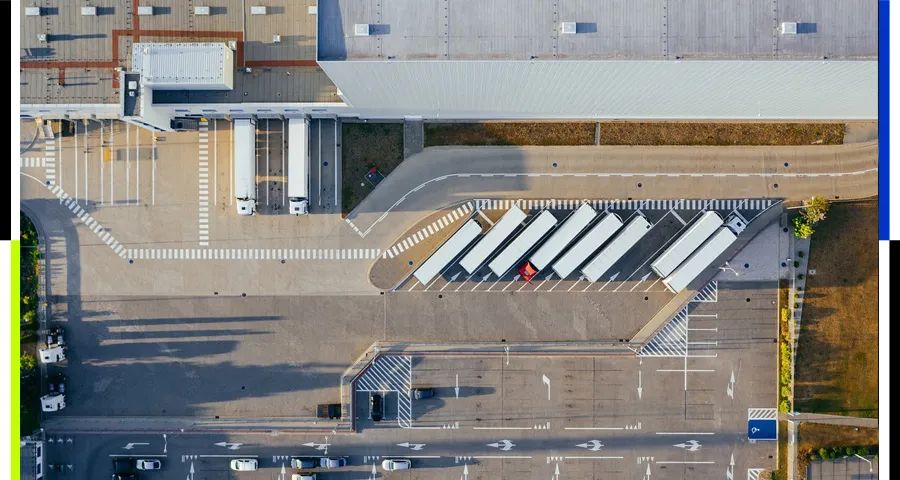

Southeast Asian workers who can find jobs near home reject the "rat race".


Text by | Pai Pai
Edited by | Bai Youjie
Source | Looker inSight (ID: pic163)
Cover image source | Pixabay
There's no denying that Southeast Asia is becoming the new global manufacturing hub.
Smartphones from Vietnam, sports shoes from Cambodia, and new energy vehicles assembled in Thailand... Southeast Asian countries, with their low labor costs and favorable geographical conditions, have become the top choice for the location of foreign trade factories.
According to UN statistics, in the past decade, the average annual inflow of foreign capital into ASEAN countries was $170 billion. The Indochinese Peninsula, a land once plagued by war and poverty, has also burst out with unprecedented vitality. Industrial parks have been built near the capitals, and local villagers can earn rent by leasing their self - built houses. More and more locals are also starting to learn Chinese and walking into the factories near their homes.
"Work is for a better life", but for the local Southeast Asians who have been engaged in farming for generations, there may not necessarily be an equal sign between these two choices. Lacking channels for class promotion and without urgent survival pressure, the factory culture that emphasizes "efficiency first" has ultimately come to a place where it doesn't fit in.

Jobs are available near home
"It's completely different here compared to 15 years ago!"
Xiaomu, 22, is from Bac Giang, Vietnam. After graduating from a Chinese university, she returned to work in a local factory in her hometown.
Bac Giang Province is located in the northeast of Vietnam, only 60 kilometers away from the capital Hanoi. It's the last stop before reaching Hanoi when taking an 8 - hour bus ride from Nanning. 15 years ago, it was just a farming village. The local area was rich in bamboo, and bamboo - woven straw hats were one of Vietnam's cultural symbols.
In 2007, when Xiaomu was in the second grade of primary school, Hon Hai Precision Industry Co., Ltd. (the parent company of Foxconn) opened its first factory in Bac Giang. Since then, more and more factories have settled in Bac Giang, bringing earth - shaking changes.
Xiaomu still remembers that when she was a child and got sick, she had to ride a bicycle for more than ten kilometers on a dirt road to get to Bac Giang People's Hospital. By the time she arrived at the hospital on rainy days, she was covered in mud. Now, it only takes a 5 - kilometer drive to get there directly. Brand - new overpasses, shopping malls, and parks have given the whole county a new look. At night, the snack streets flashing with neon lights make Xiaomu feel like she's back in Kunming where she studied.
The biggest change is the population. Once, there were only a few motorcycles passing by on the roads in Bac Giang. Now, every time the factories get off work, the motorcycle teams line up in a stream of traffic, honking their horns and filling every street in Bac Giang.
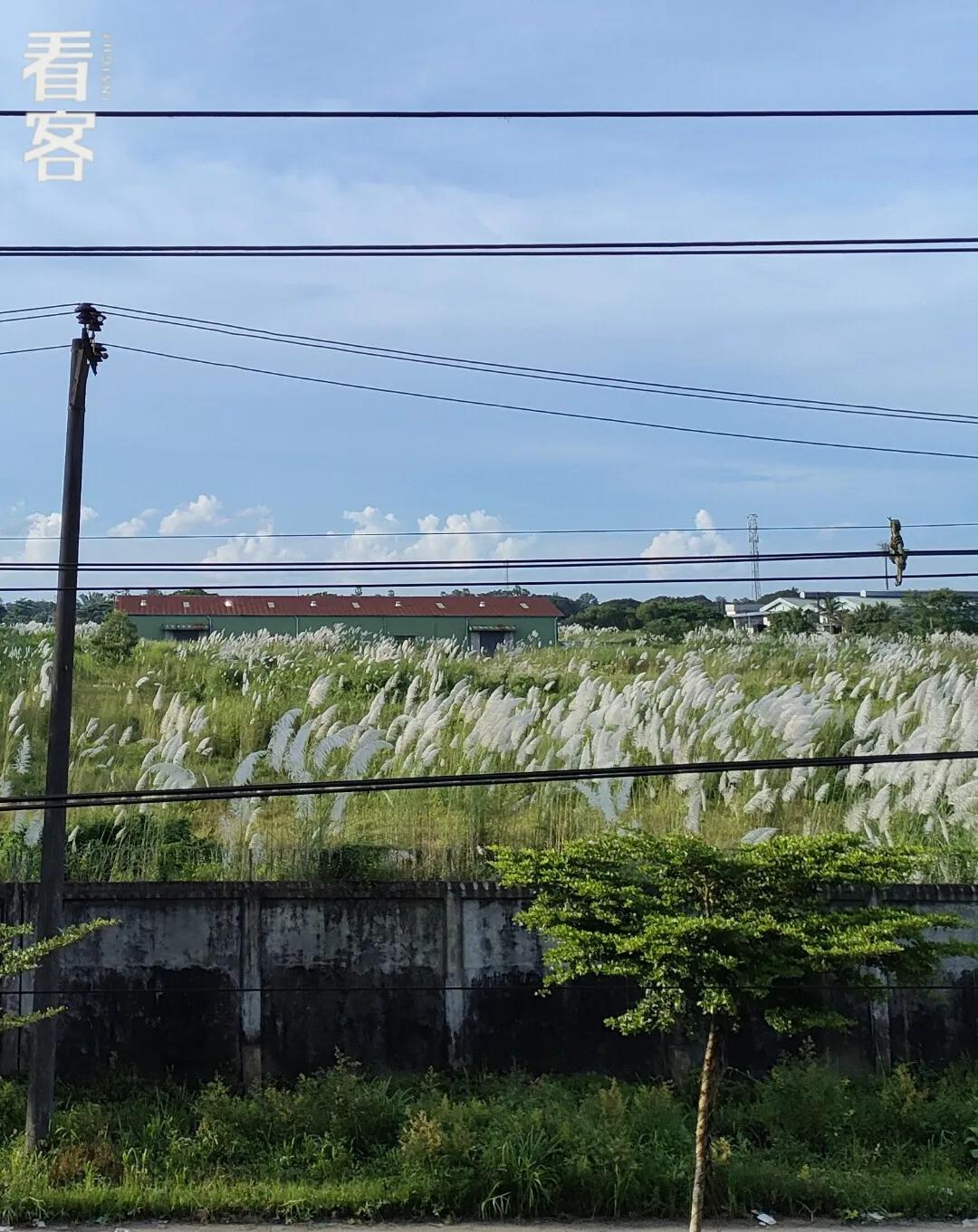
A common sight in rural Vietnam
Xiaomu's parents built a four - story house and rented out all the rooms to migrant workers. Just the rent alone can increase the family's annual income by 250,000 RMB (about 900 million Vietnamese Dong), which was something Xiaomu's family never dared to dream of before. The price of land in Bac Giang has soared from 15,000 RMB per plot 15 years ago to 400,000 RMB per plot, almost a 30 - fold increase.
The factories near home have become the best workplace for people in Bac Giang and the surrounding areas. Chinese tutoring institutions have also opened all over the streets. As long as they have the conditions, most parents will let their children learn Chinese, and studying in China has also become a popular choice.
Xiaomu learned Chinese in high school and later went to China to study Chinese language through the Confucius Institute. From the beginning, she decided to return to Vietnam to work after graduation. After returning to her hometown, she took up a job in the human resources department of a factory and started a 9 - to - 5 life, earning 4,000 RMB a month. In Vietnam, where the per capita annual GDP is only 30,000 RMB, she entered the high - income group right after graduation.
In 2012, China's direct investment flow in Southeast Asia was about $6.1 billion. By 2022, this figure had almost quintupled. A large amount of cash has poured into this land, and the scene in Bac Giang Town is being replicated all over Southeast Asia.
The Hlaing Tharyar Industrial Zone is located near Yangon, the former capital of Myanmar. 10 years ago, it was still a wasteland. Later, a large number of factories were built here, making Hlaing Tharyar one of the largest industrial areas in Myanmar.
Before the industrial zone was completed, Dubai was the top choice for Myanmar people to work. There were special employment agencies in Myanmar that sent people to work in Dubai. The agency fee was 5,000 RMB, equivalent to the net income of a Myanmar person for 8 months. The people sent there might work in various industries, from construction workers to catering services, all blue - collar jobs. With a monthly income of 2,500 RMB, it was four times the local income in Myanmar.
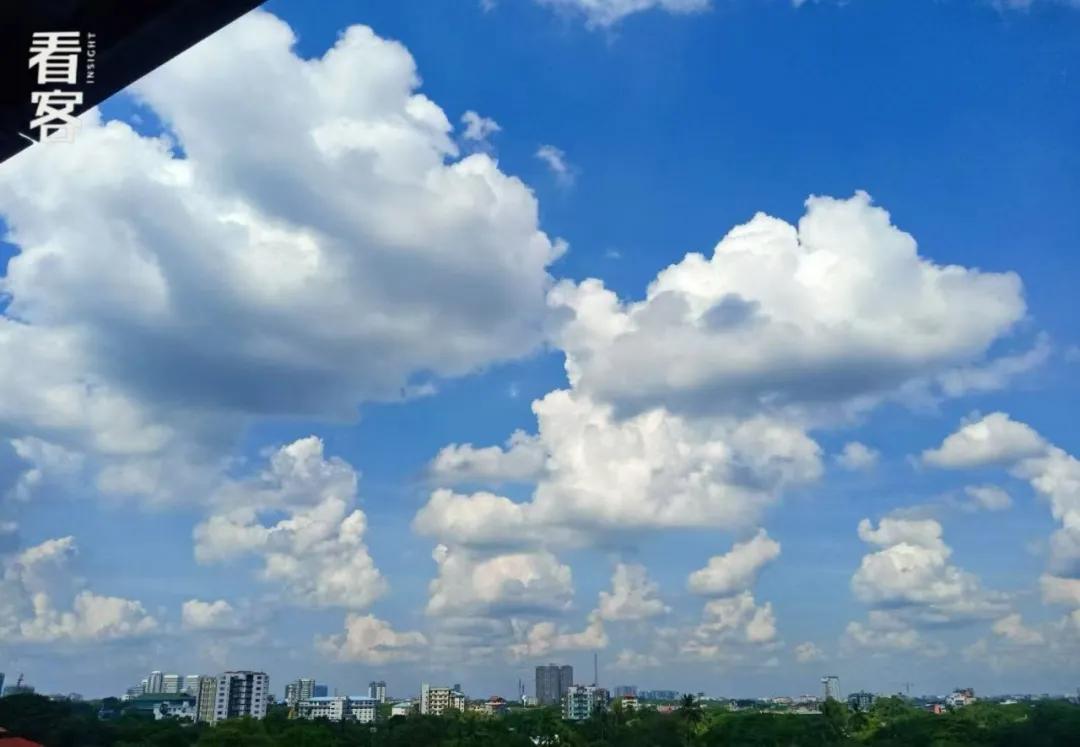
The Hlaing Tharyar Industrial Zone on the outskirts of Yangon, Myanmar
Miri's family is of Chinese ethnicity in Myanmar. In recent years, with a large number of Chinese - funded enterprises investing and building factories in Myanmar, this identity has become an advantage. Her younger sister once worked as a KFC waitress in Dubai and signed a two - year contract. But after working there for a short time, she spent 4,000 RMB to terminate the contract and returned to Myanmar to work in a factory.
The main reason for her return was cost - effectiveness. In Myanmar, a lunch could cost 0.5 to 1 RMB, while in Dubai, it would cost 10 times as much. It was impossible to save money from the salary. Because she could speak Chinese, she applied for a translation job in a factory. Without a high - level education, she became an office clerk and has now become a team leader, earning 3,400 RMB a month, which is much higher than what she could earn in Dubai.
Statistics show that there are now more than 6,500 Chinese enterprises making direct investments in ASEAN countries. There are about a dozen industrial hubs like the Hlaing Tharyar Industrial Zone near Yangon. Even if they don't speak Chinese, now, a large number of locals can get a job with a higher salary near home than working overseas. As long as they can accept the completely different factory culture.

Three months on the job makes you a senior employee
When talking about her job that she had just completed three months of, Miri said in a joking tone: "Don't think too much about it, or you'll want to quit." Like her younger sister, Miri is also a translator in a factory.
After graduating from a Chinese university, she found an e - commerce job with a salary of 6,000 RMB, but it didn't include accommodation and meals, and she had to work the "996" schedule and alternate weekends. When the factory manager of her sister's factory heard about it, he immediately wanted to recruit her: "Your sister has such a high education. We can give her 5,000 RMB a month, which is 7 - 8 times the average salary in Myanmar! She'll be a senior white - collar worker as soon as she comes back. Isn't this much better than drifting outside?" So, Miri decided to go home first.
After entering the factory, she became a member of the management and could eat in the canteen reserved for management. Every morning at 7 o'clock, the shuttle bus for transporting workers would wake her up. Following the bustling traffic, she would walk from the dormitory to the factory and work at least until 7 p.m., 12 hours a day. Overtime at night and on weekends was also common.
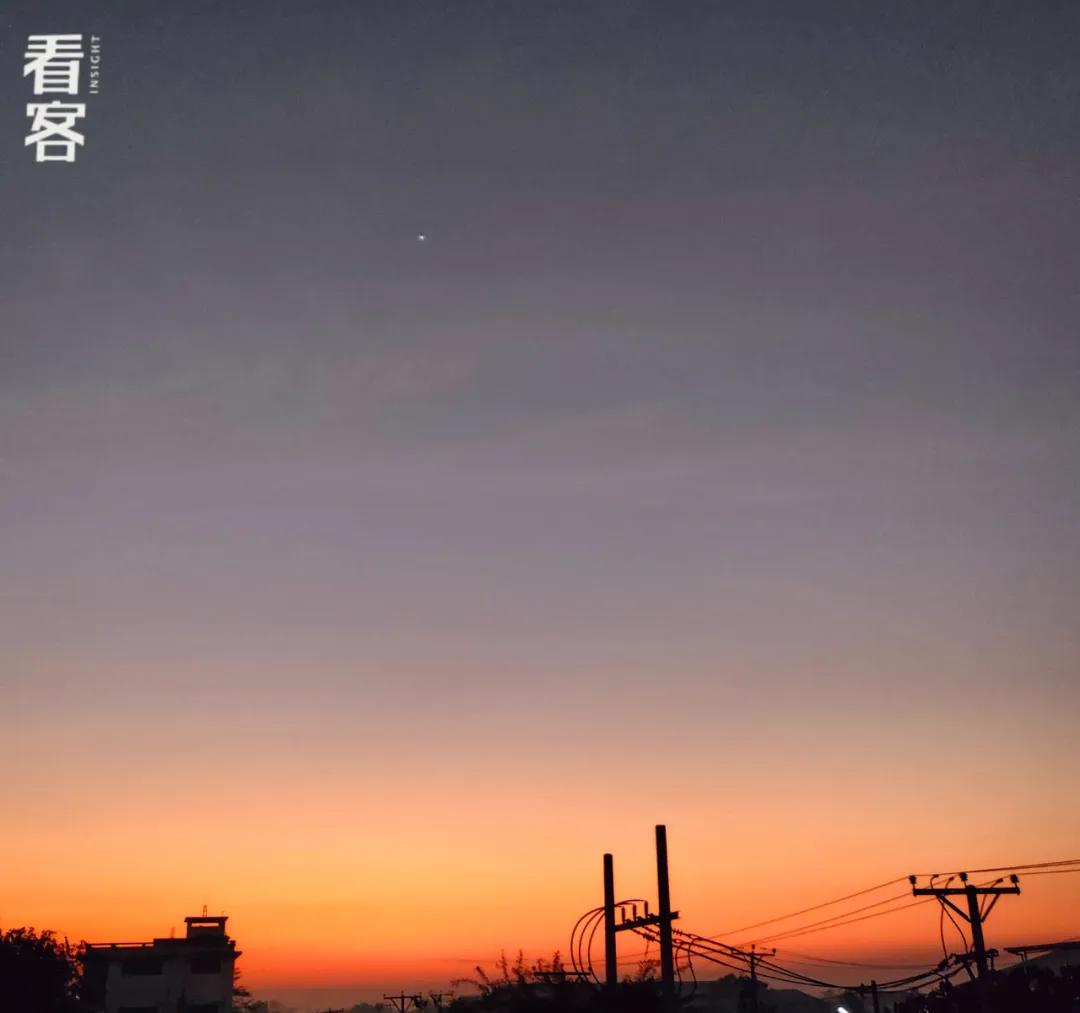
The sunset at the factory taken by Miri
On the first day in the factory, Miri felt a depressing atmosphere. In the open space in front of the factory, Burmese pop music was playing on the loudspeaker. The workers were standing together listlessly. First, they did morning exercises, danced, and shouted the company slogan. Then, the boss, surrounded by a group of leaders, walked to a high - place to give a speech: "It's the factory that gives you jobs and enables you and your families to have a better life. So, everyone should be grateful and thank the company!"
Miri's job was to translate the leader's words into Burmese and tell them to the workers.
In addition to dealing with Chinese, English, and Burmese, Miri also served as a quality inspector, the boss's assistant, and took on a series of other jobs. She often had to follow the leaders to the assembly line for inspections. In the workshop, the leaders always frowned, with their hands behind their backs, and stared intently around.
Burmese people are relatively short in stature, making the leaders' aura even more prominent. Whether there was a problem or not, even if the employees just chatted for a couple of sentences, the leaders would lose their temper:
"Are you stupid?"
"If you keep doing like this, don't come back next time!"
Burmese is a more euphemistic language, and Miri rarely translated the words exactly as they were. But when she saw that the employees didn't react much, the leaders would question her: "Did you say what I meant?" This made Miri feel very embarrassed. The previous translator before her quit because she couldn't stand the leader's temper.
There were quite a few employees who left the factory because of being scolded.
She still remembered that once when having lunch and chatting with the boss, this entrepreneur who had run factories in China for decades said: "Sometimes I just think Burmese people are too concerned about face." This was the most incomprehensible thing to Miri: "There's a Chinese saying that 'a person lives for his face'. I don't know why they can endure so much at work."
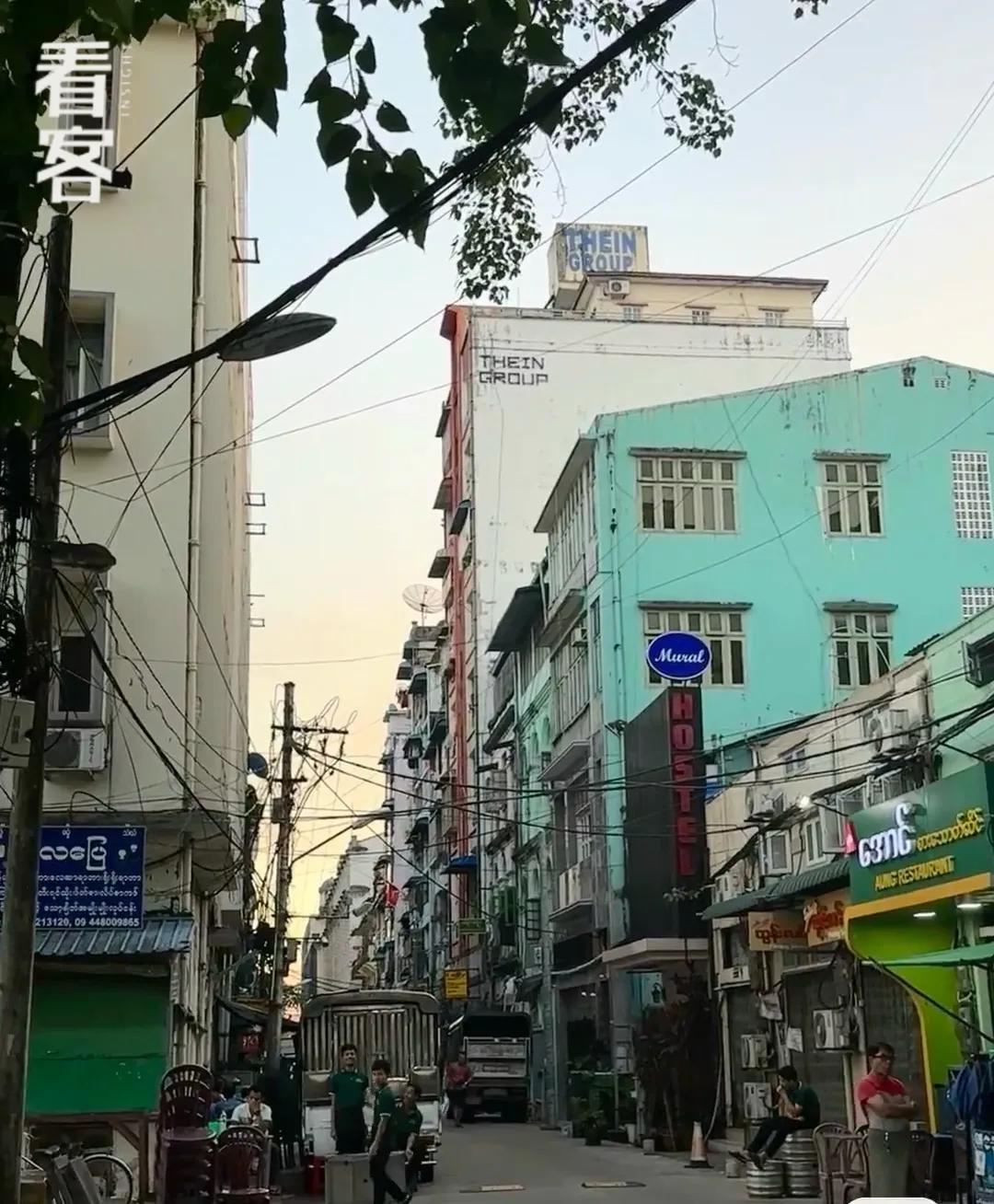
A residential area in Yangon, Myanmar
Every day, there are still a large number of Burmese workers applying for jobs, but many of them leave on the same day they are hired because they can't stand the restricted feeling.
To this day, the factory has been here for more than three years, and no worker has worked for more than one year. Miri, who has worked for three months, is already a senior employee in the factory.

Life can go on without working
From textile and clothing to electronic devices, it's an irresistible trend for factories to relocate to Southeast Asia.
Tariffs used to be a key factor in factory relocation. In the past decade or so, many Southeast Asian countries have signed free - trade agreements with Europe and the United States, with zero tariffs on exported goods. Changing the factory location immediately gave them a competitive edge.
More importantly, it's the low labor cost here.
In Vietnam, the salary in factories is about 3,000 RMB. In Myanmar, a worker can get about 1,000 RMB a month including overtime. In contrast, in Dongguan, a worker's basic salary is 2,300 RMB, and with overtime pay, the salary is generally 5,000 - 6,000 RMB. The salary for hiring one Chinese worker can hire several Southeast Asian workers.
But relocating factories to Southeast Asia also comes at a cost. The production capacity has decreased, orders have been delayed, and the quality is uneven. Miri often has to work overtime to handle complaints from European and American companies. The next day, she also has to attend the morning meeting with the boss. She has heard the leaders and the factory manager complain more than once: "Why did we open the factory in this god - forsaken place! There's often a power outage, and 1,500 workers here are not as productive as 600 in China."
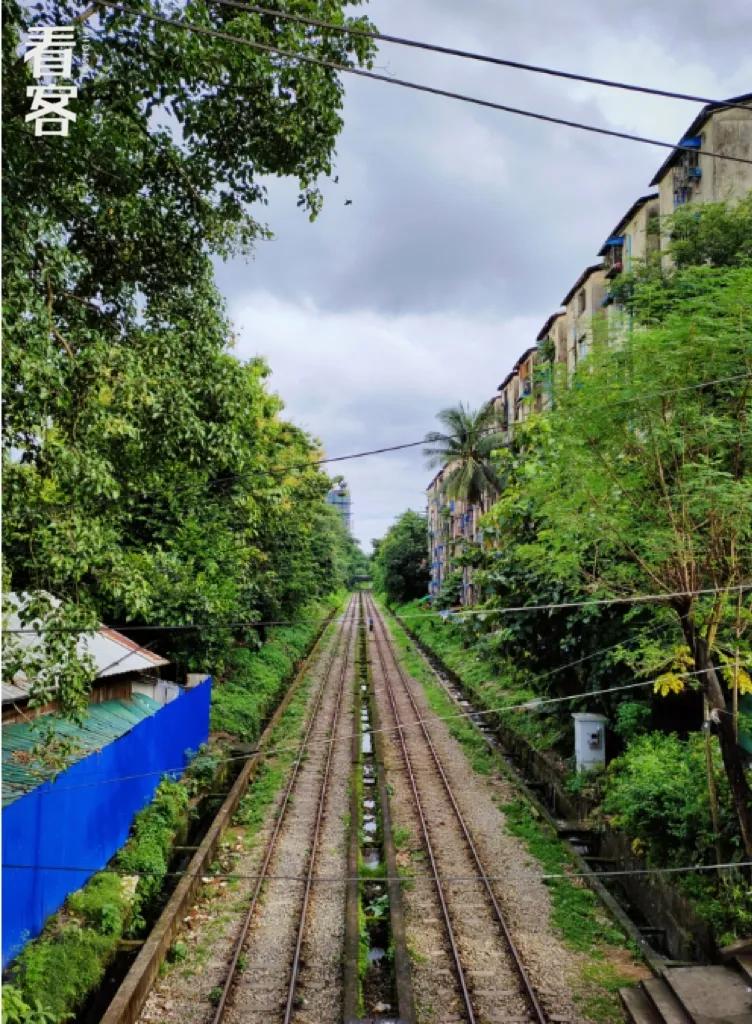
In Southeast Asian residential areas, railways often pass through
When relocating factories to Southeast Asia, local labor rights and employment culture also need to be taken into account. For example, in Vietnam, employees will negotiate with enterprises on various issues such as welfare. Each large - scale enterprise also has a government - affiliated trade union responsible for communicating with the workers.
Xiaomu, who works in the human resources department of a factory in Vietnam, experienced a strike at the end of 2023. It started with employees chatting in the dormitory. As they talked, they found that the time for distributing the Spring Festival welfare was very unreasonable. Then, this sentiment spread to everyone. The workers threw down the parts in their hands, and the strike began.
"Distribute the 13th - month salary welfare before the Spring Festival." The workers walked out of the workshop and sat in the corridor to confront the trade union. The trade union then submitted the request to the factory's board of directors, and then the representatives of both sides sat in a private office to negotiate.
Xiaomu didn't know what the board of directors discussed, but as a result of the strike, she received the 13th - month salary welfare before the Spring Festival.
However, after the Spring Festival, most of the workers who participated in the strike left the factory. "Because when workers apply for jobs, they will check on social media. If a factory has had a strike, they won't go there." Xiaomu explained.
Vietnamese people rarely have a mortgage. Every family lives in their self - built houses, and the money earned from working can't change the family's living conditions. "If the extra money earned from working covers all the free time, the Vietnamese are not willing. Anyway, they have to accompany their families to have a cup of coffee after work."
Vietnam is rich in coffee, and the locals regard drinking coffee as the most important part of their daily life. Two students contacted Xiaomu online and wanted to learn Chinese from her. Xiaomu immediately quit her job in the factory's human resources department and started a free - and - easy life.
When asked why she gave up a stable office job, she asked back in confusion: "Why work so hard? Money is for spending."
Miri also thinks that the work attitude of Burmese people is completely different from what she saw when she was studying in China.
In Myanmar, there are almost temples and ponds downstairs in every community, with Buddha statues and memorial tablets inside. In their free time, splashing water in the pond and offering flowers are the locals' favorite daily activities.

The Shwedagon Pagoda, the national symbol of Myanmar
Ordinary Burmese people don't have the concept of going to university, and compulsory education is just for show. Miri and her mother are the only two people in the family who have gone to university, but the best - off person in the family is her aunt who runs a pharmaceutical factory without a high - level education. "What's fated to be yours will be yours; what's not won't" is the Burmese people's life creed.
In rural areas of Myanmar, this kind of non - competitive attitude is even more obvious. Most people farm at home. Even though the income is not much, the tropical region is rich in products, and they won't starve even if they do nothing.
Previously, going to the city to work was the choice of only a few people, and the only available jobs were to work as caregivers or do housework for wealthy families. It was only after the factories came that the locals developed the awareness of working.

Survival and development have always been luxuries
In a developed economic environment, working in a factory is not considered a high - end employment option. But for Southeast Asian countries, it's a rare opportunity for development and transformation.
The latest report from the United Nations Development Programme shows that nearly half of the people in Myanmar are in poverty, with an average daily income of only about 5 RMB.
The manufacturing factories offer a basic salary of 400 RMB to workers, which is already above the social medium level. Including overtime and night shifts, a worker can earn up to about 1,000 RMB a month. Miri said that this is equivalent to the monthly salary of a Burmese university graduate.
Like many young people working in big cities in China, Southeast Asian workers also remit 80% of their salary back home to support their families. For ordinary families, this money is enough to improve their living conditions, but class promotion is just a luxury.
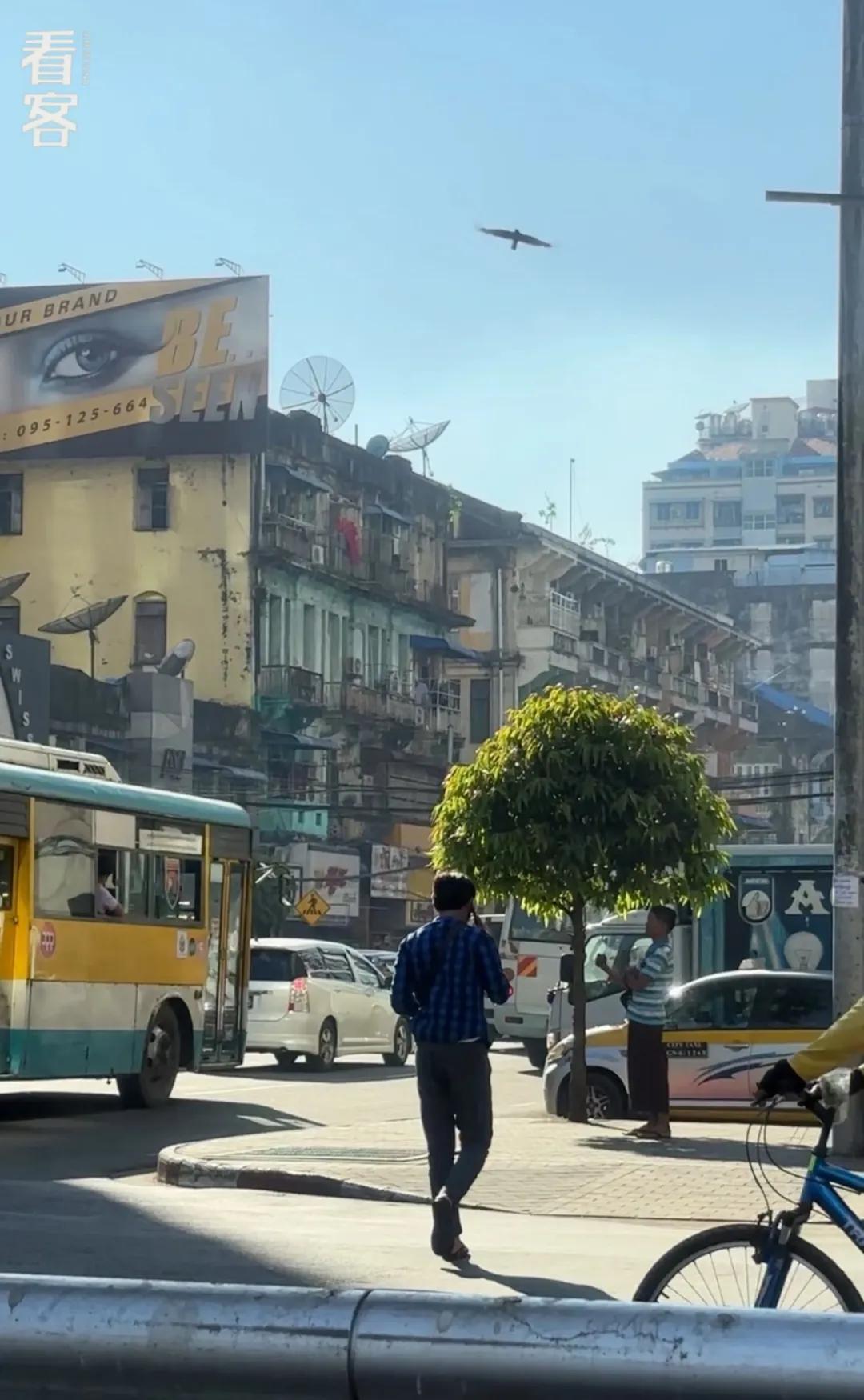
The streets of Yangon, the capital of Myanmar
While providing a new life for the locals, traditional manufacturing factories are also trying their best to integrate into the local ecosystem.
The exchange rate in Myanmar is unstable. One RMB can be exchanged for 288 Burmese Kyats in the bank, but 590 Kyats on the black market. No one can guarantee how much the promised salary will be worth when it's received a month later. So, local factories generally pay salaries once a week.
Overtime work in factories is common, but the factories are located in remote areas and the social security is unstable. Many workers have concerns about this. So, the factories have bought thirty covered trucks to pick up and drop off employees.
To encourage workers' enthusiasm, some factories also play music. During holidays, the factories will set up a stage and invite singers to perform. There are many festivals in Myanmar, with 30 days of public holidays in a year. Whenever there is a performance, the locals will put on their favorite clothes and dance and sing on the stage.
But beyond the form, there is still a long way to go for factories and workers to achieve deeper understanding and acceptance.
In the Bac Giang Industrial Zone where Xiaomu works, Korean - funded factories are often the most popular because the canteens serve food that suits the local Vietnamese taste better. In other factories, employees would rather give up the meal subsidy in the canteen and eat outside.
The lunch break in the factory is only half an hour. As soon as the lunch - time bell rings, the workers rush to the small shops at the factory gate to buy lunch. This sight puzzles the leaders, who think the locals "really know how to enjoy life".
In Myanmar, most of the people who work in factories come from poor families. The work - uniform T - shirt issued when starting work may be the best clothes a person has. Every morning at 7 o'clock, everyone puts their belongings and mobile phones in a box, punches the card, picks up tools, and walks to their workstations, smiling and working until the end of the shift.
They will work overtime if needed, after all, there is overtime pay; but if they can leave work early, they won't work an extra minute. They would rather go to the temple with their families to pray.
The factory owners can't empathize with this kind of attitude that doesn't seek great wealth. Sometimes, the owner will even invite locals to ask face - to - face: "What are you guys always so happy about? You don't earn much and don't want to work overtime. I don't know what there is to be happy about."
Xiao Yu, a Vietnamese girl who has interned in two Chinese Internet giants, said: "Chinese people are really caught up in the 'rat race'."
Xiao Yu's father is an entrepreneur and is quite famous in Vietnam, which allows her to live a life of luxury since childhood. There is a refrigerator in her house filled with imported French snacks. While ordinary Vietnamese children have to help their families with farm work after school, Xiao Yu is already entertaining her wealthy classmates at home.
From a different class perspective, Xiao Yu also sees a different social prospect. "Vietnam's GDP growth this year is 8%. It will definitely develop in 15 years. So, these factories are ultimately a good thing for us. Like in our modern history, we've experienced wars with so many countries like France and the United States. Now, we're satisfied with the stable development."

The sunset at the CBD of Ho Chi Minh City, the largest city in Vietnam
Recommended by a friend, her father decided to send Xiao Yu to study in China. As a result, Xiao Yu met her Chinese - Vietnamese boyfriend who runs a clothing factory in Vietnam. However, her boyfriend's company lost more than 700,000 RMB not long after it was established. This made her realize that foreign enterprises still have a long way to go to adapt to the local culture in Southeast Asia.
"Although there is an obvious profit margin in setting up factories in Southeast Asia, it's not easy money. Shipping costs, exchange rates, etc. Any small change can be fatal to an enterprise."
However, she still believes that Vietnam can develop. After all, no one wants to see their hometown remain poor and backward forever. "Survival and development have always been luxuries, it's just that those who are in the midst of luxury are unaware of it."
(All names in this article are aliases, and some pictures are from Xiaohongshu @ Rachel's Diary)
This article is reprinted from "Looker inSight".

This article is from the WeChat official account "36Kr", author: Looker.