Cultural Global
From films to vertical short dramas, and then to the integration of AI technology into the creative process, a new wave of Chinese film and televisio

In the past, when Chinese film and television products went global, they were sent out one work at a time. Today, the way of "going global" has changed.
From cinema screens to vertical mobile phone screens, from content forms to business models, and to the AI tools behind the screens, Chinese film and television is deeply integrating into the global film and television industrial chain.
During the National Day holiday, the News Channel's program *World Express* launched a special series *New Wave of Going Global*, taking you from the United States, Canada to New Zealand to see how Chinese stories transcend mountains and seas, and how Chinese technologies take root locally. Let's start with the Chinese films that were a hit overseas this summer vacation.
Light and Shadow Going Global: Chinese Films Win Over Overseas Audiences
This summer, excellent Chinese films such as *Love Letter to Grandma* and *The Eight Immortals!* have crossed the oceans and landed in cinemas in many countries, receiving rave reviews. Whether warm-hearted or fantasy, different Chinese stories are showing their unique charm on overseas screens.
The film *Love Letter to Grandma* centers on "Qiaopi" (overseas Chinese letters), telling the story of the older generation of overseas Chinese who went to Nanyang to make a living, and their mutual concern and mutual help with their families back home. The simple and sincere emotions break through geographical restrictions and cross language barriers, touching audiences from different countries.
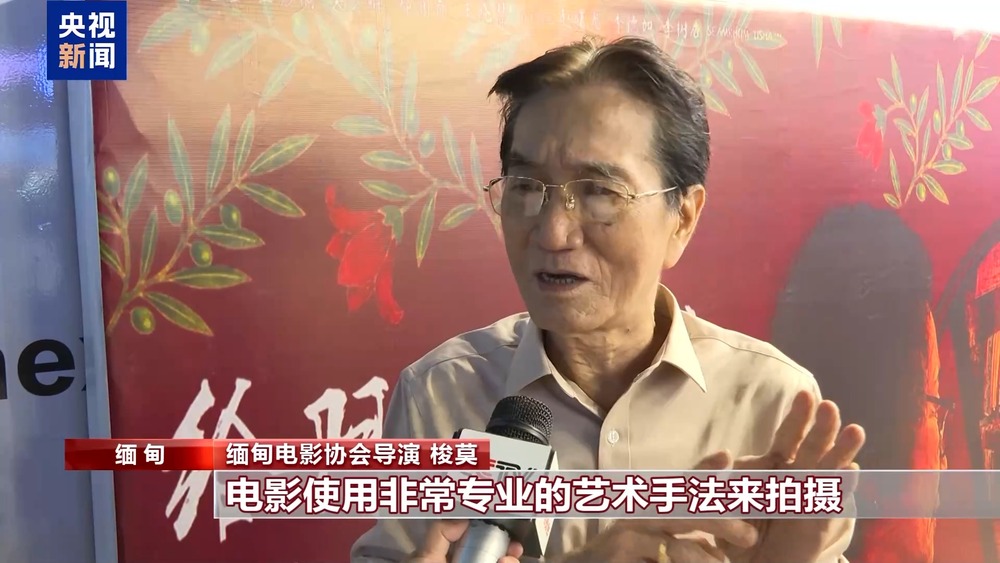
Soe Maung, Director of the Myanmar Film Association: The film is shot with very professional artistic techniques, making every scene feel absolutely stunning.
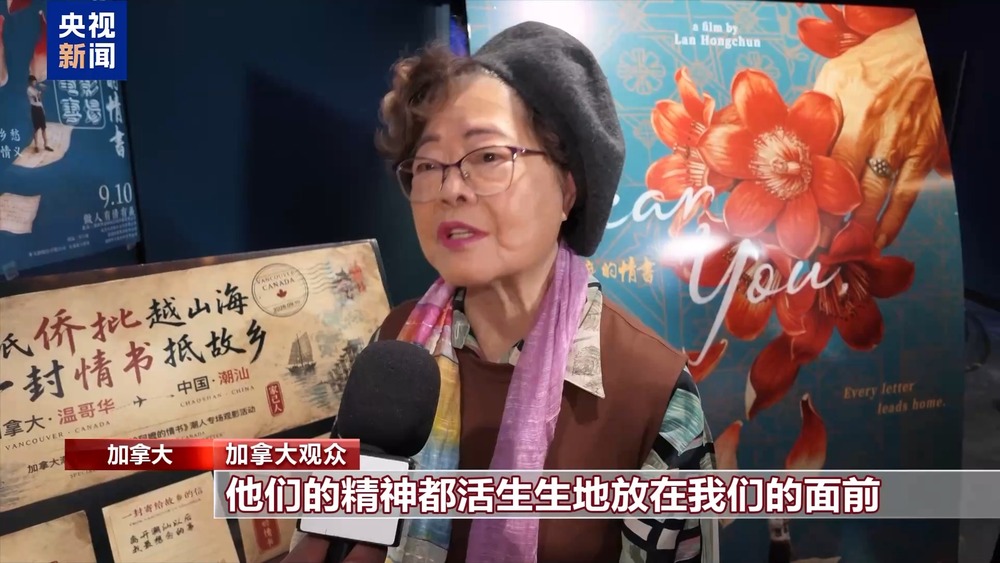
Canadian Audience: They vividly present the spirit of our earlier overseas Chinese in front of us. It's so touching that I cried several times.
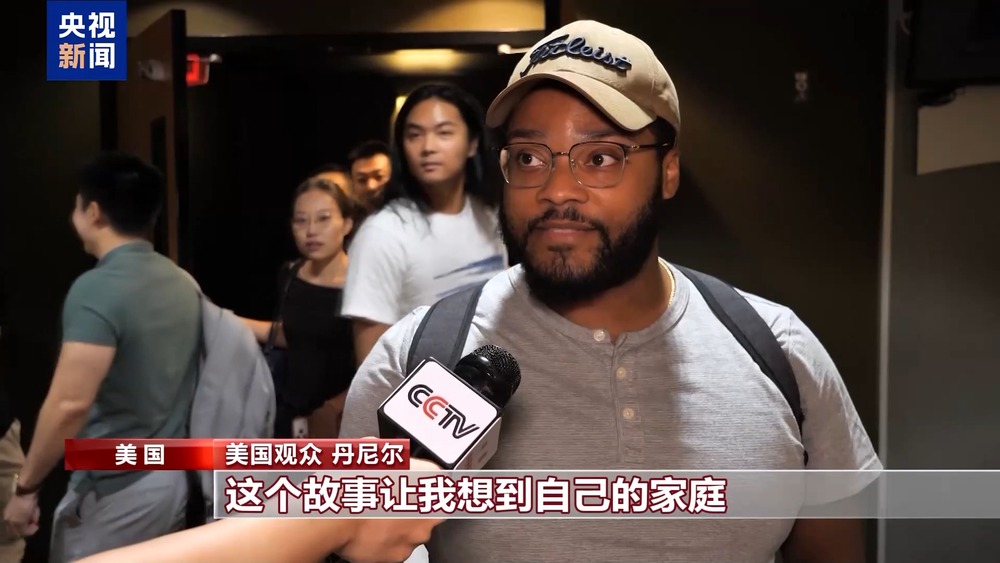
Daniel, American Audience: I come from an immigrant family myself, and I also have family members overseas. My family was brought here by the elders. This story reminds me of my own family.
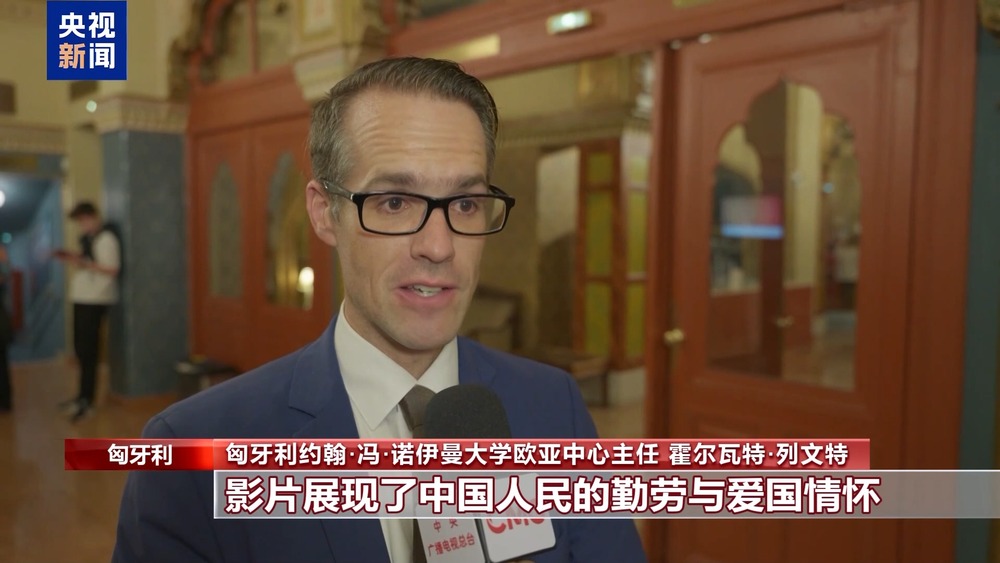
Levente Horvath, Director of the Eurasian Center of John von Neumann University in Hungary: The film shows the diligence and patriotism of the Chinese people, as well as the important position the family occupies in their lives.
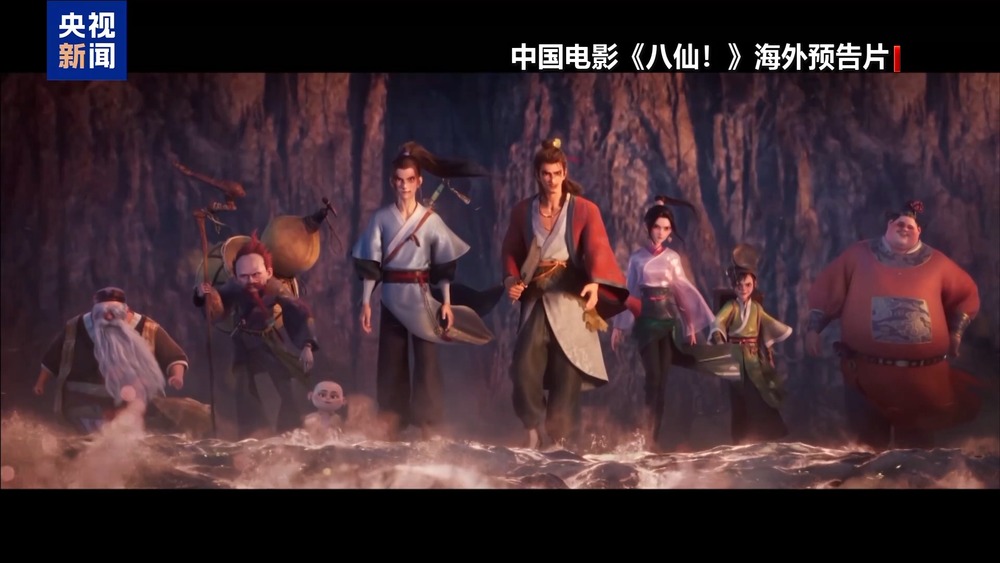
The domestic animated film *The Eight Immortals!* has also set off a viewing boom overseas. The mythological characters, oriental landscapes and traditional Chinese cultural elements in the film make many audiences feel fresh and interesting, stimulating their deeper interest in Chinese films and Chinese culture.
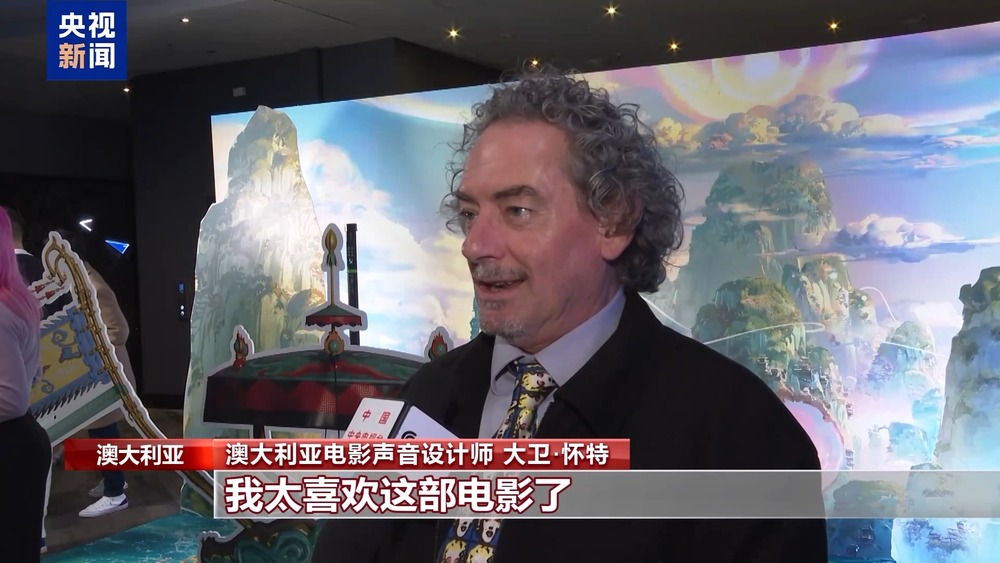
David White, Australian Film Sound Designer: I love this film so much, absolutely love it. The opening is stunning, the fight scenes are dense and the rhythm is fast, which attracts the audience instantly, and the whole viewing process is extremely enjoyable.
New Zealand Audience: I really like the animation in it, especially the mythological stories presented in the film. It looks very interesting and is full of strong traditional Chinese cultural atmosphere.
British Audience: This film makes us want to learn more about Chinese culture, and truly understand Chinese culture and films.
Vertical Screens Conquer Hollywood: The Los Angeles Business of Chinese Short Dramas
Each episode lasts one or two minutes, is watched on the vertical mobile phone screen, and the plot keeps reversing. Now in the United States, Chinese micro short dramas have not only gained a huge audience, but also attracted Hollywood peers to take the initiative to join in. From American actors and screenwriters joining the filming team, to traditional film and television giants such as Fox and Universal getting involved in the layout, the going global of Chinese short dramas has upgraded from taking stories out of the country to the local implementation of a complete set of production modes and business rules.
At a shooting site in Los Angeles, USA, the camera is set up vertically, and the crew is rushing to shoot a vertical-screen short drama. There is no slow warm-up, each episode is one or two minutes long, the conflict must be detonated in the first tens of seconds, and the ending must end with a cliffhanger. This narrative beat originating from China has brought a brand new impact to American directors.
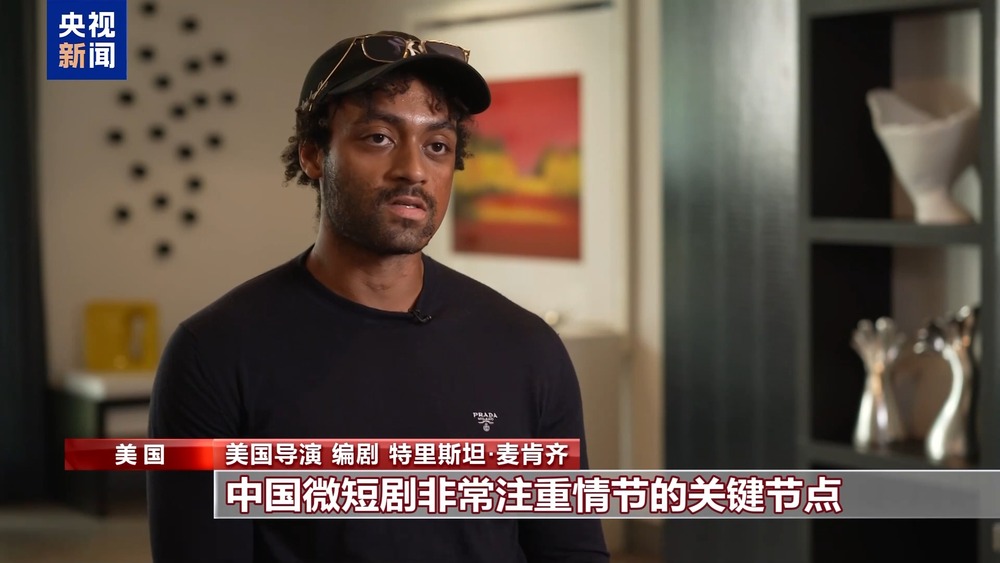
Tristan Mackenzie, American Director and Screenwriter: Chinese micro short dramas pay great attention to the key nodes of the plot, and you basically only need to present these core contents. When you accept the huge twists in emotion and story, to be honest, it feels really great. Traditional American TV dramas will slowly lay the groundwork for certain plots, but micro short dramas are different. They tend to have huge reversals in emotion and story, and you really feel the freedom of creation.
In order to adapt to the tastes of North American audiences, the micro short dramas going global are no longer just simple dubbing and translation. American screenwriters are in charge of the writing, local professional actors perform, and the scenes are also switched to local scenes. However, the story has changed, but the core remains the same - the short duration, fast rhythm, dense reversals and retained cliffhangers, this set of mature creative logic verified in China has been completely preserved.
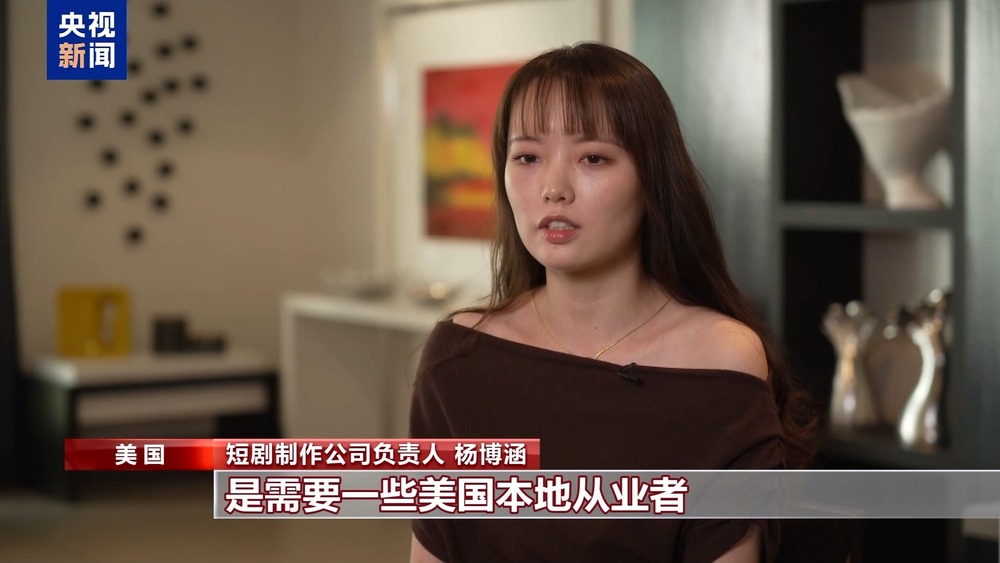
Yang Bohan, Head of a Short Drama Production Company: For Chinese short dramas to go global, some local American practitioners need to bring local stories, because they know the needs of local audiences better, and that's the starting point. These American film and television practitioners have gradually gained a deeper understanding of the form of short dramas. For them, this is a new production mode, a new workflow for the film and television industry.
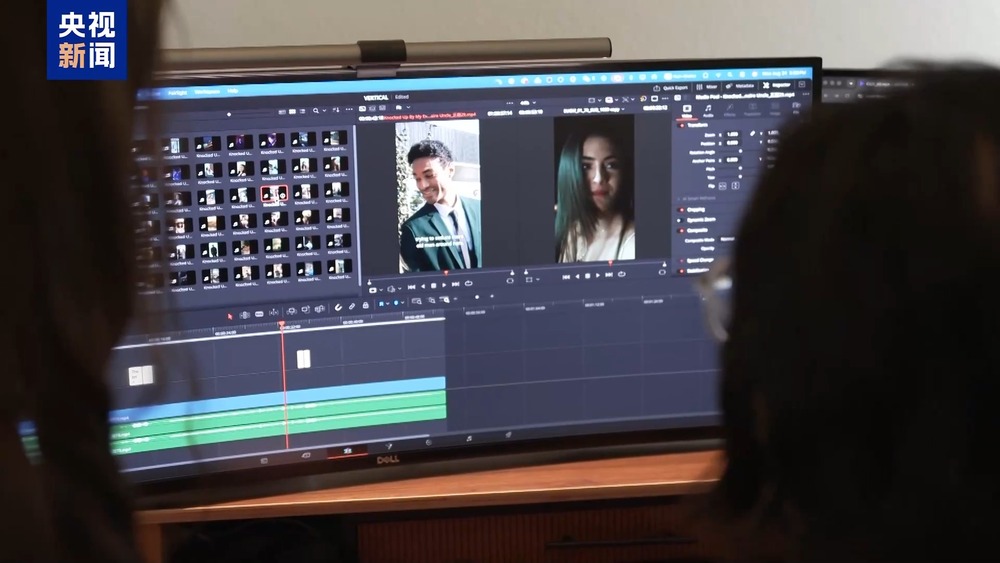
Along with the implementation of content, there is also a complete commercial closed loop that subverts traditions. Different from American TV dramas that rely on full-season subscriptions from TV stations or streaming media, micro short dramas have a shorter production cycle, combined with second-level data feedback from the backstage. For example, which plot makes audiences swipe away, and which theme can attract traffic, creators can make adjustments within a few days, which also provides a large number of young American film and television practitioners with a new stage outside traditional Hollywood.
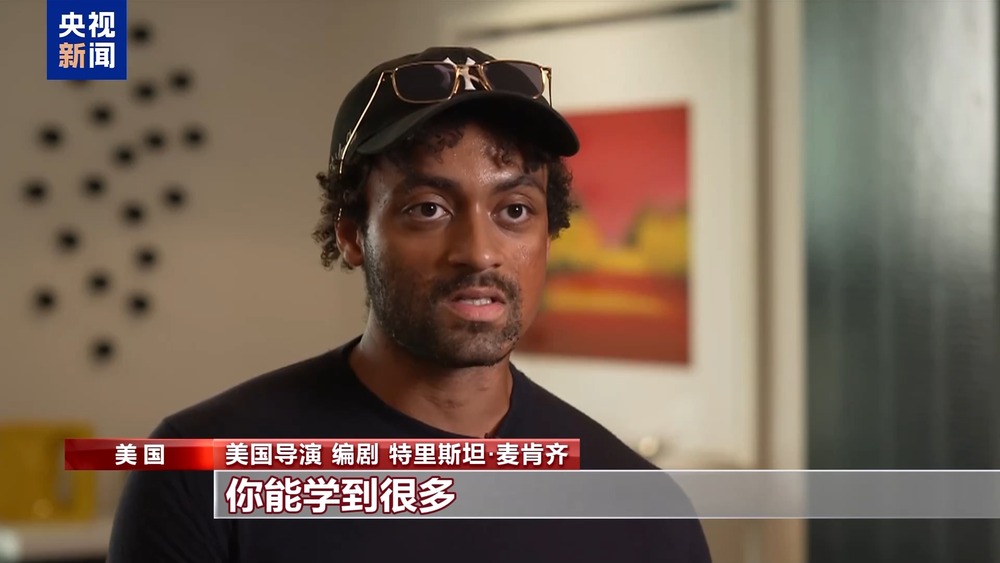
Tristan Mackenzie, American Director and Screenwriter: In this low-budget model, you can learn a lot and quickly figure out what you really want.
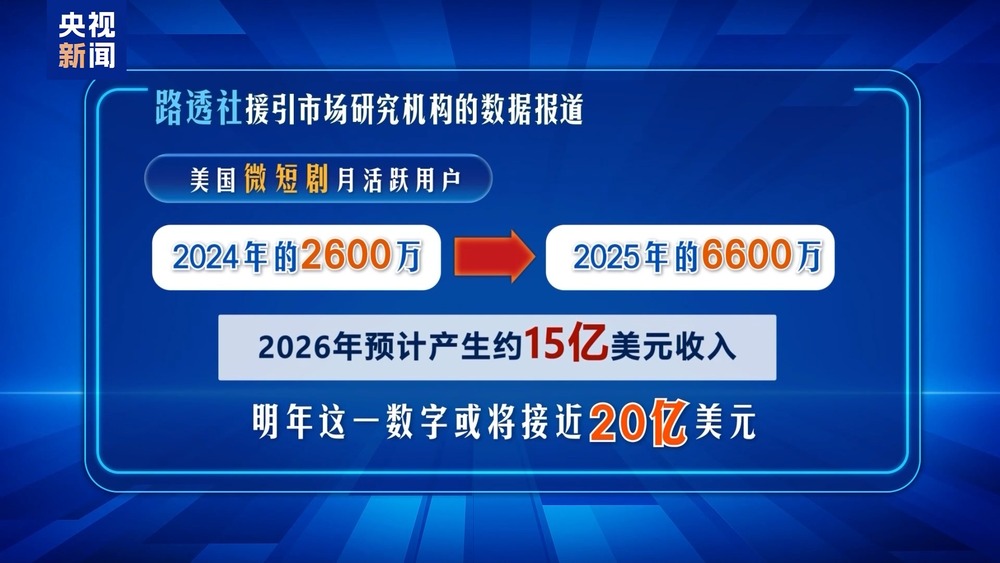
Reuters, citing data from market research institutions, reported that the monthly active users of micro short dramas in the United States have skyrocketed from 26 million in 2024 to 66 million in 2025; it is expected to generate about 1.5 billion US dollars in revenue in 2026, and this figure may approach 2 billion US dollars next year.
Traditional Hollywood film and television companies have also entered the market one after another. Among them, Fox Entertainment has joined hands with short drama production companies to plan more than 200 vertical-screen works at one go. The industrialized production process and business model precipitated by Chinese micro short dramas are being steadily implemented overseas. When the industry puts forward higher requirements for production efficiency and cost control, the intervention of artificial intelligence is pushing this round of going global wave to deeper production hinterland.
AI Enters the Scene: Chinese Video Tools Enter Hollywood Production Chain
After micro short dramas brought new content forms and business models to the United States, generative artificial intelligence has pushed this round of going global to the production base. In the United States, AI not only undertakes scene and special effect generation in low-cost short dramas, but also directly enters the production process of mainstream film and television blockbusters. From "how to tell Chinese stories" to "how Hollywood film and television uses Chinese AI to produce", the going global of Chinese film and television is moving from cultural output in front of the screen to industrial-level technology empowerment behind the screen.
To present a realistic explosion shot behind the character in the picture, traditional film and television post-production needs to go through green screen matting, particle special effect rendering and multi-layer synthesis, which is time-consuming and labor-intensive. With the help of generative AI, producers only need to enter a line of prompt words, and the system can generate multiple versions for selection in dozens of seconds.
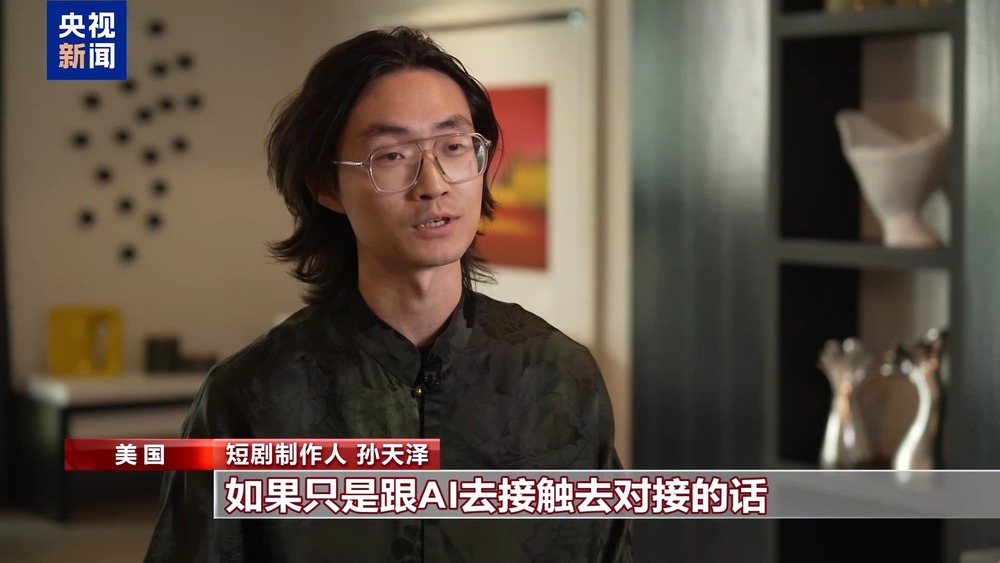
Sun Tianze, Short Drama Producer: If you just connect and interact with AI, you can directly enter an instruction saying that I need an explosion behind this person, and it may generate a version for you in dozens of seconds. Then you say this needs to be adjusted, and it generates another version in dozens of seconds. You can get dozens or even hundreds of versions a day for you to choose from.
Multiple processes are connected with one click. For micro short dramas that pursue extreme efficiency, the reduction of time and production cost is immediate.
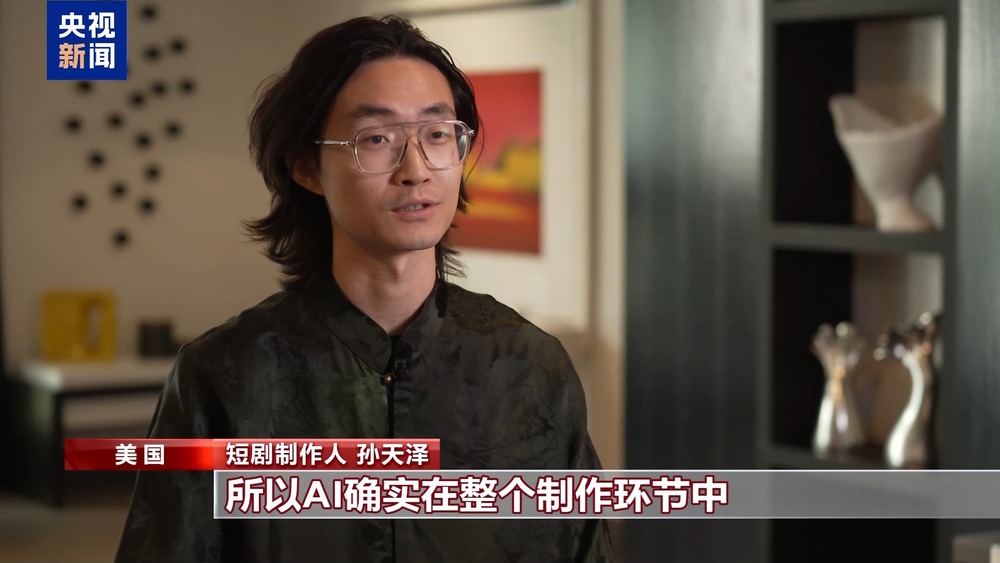
Sun Tianze, Short Drama Producer: Its price is cheaper. It may only cost dozens of RMB to complete a work. So AI has really helped us a lot in the whole production process. It saves us a lot of steps not only in the process, but also in speed, efficiency and cost.
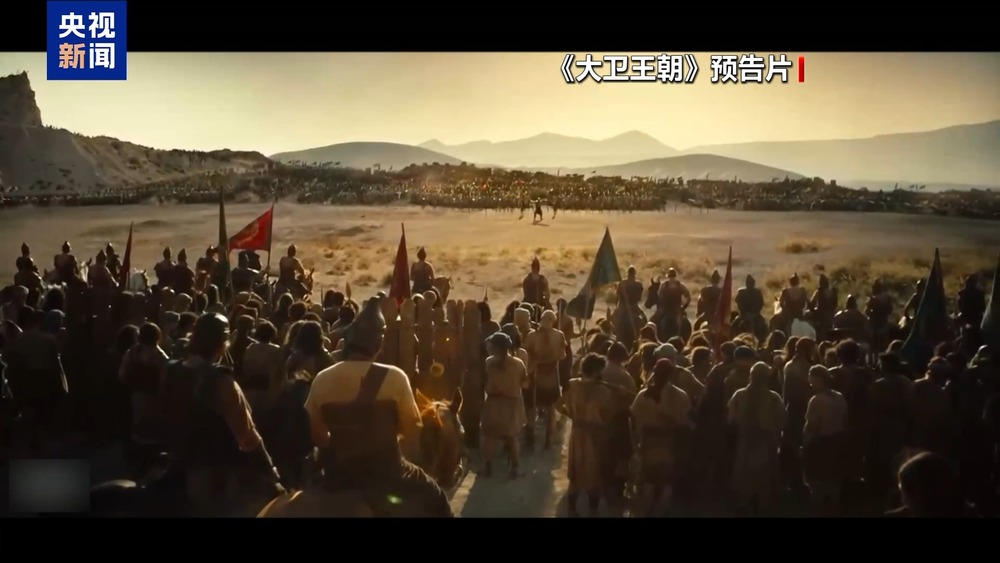
Now, this technology is not only applied to low-cost short dramas, but also has penetrated into the core of the mainstream film and television industry. According to *The Wall Street Journal*, among the 850 VFX shots in the first season of *The Dynasty*, the key series of Amazon Prime Video, 73 of them were completed by generative AI, and the key tool used is exactly the AI video model developed by a Chinese company.
However, the implementation of technology does not