Cultural Global
Egypt Investment Panorama: A Detailed Explanation of Its Four Core Advantages in Geographical Location, Labor Force, Infrastructure and Energy | Over


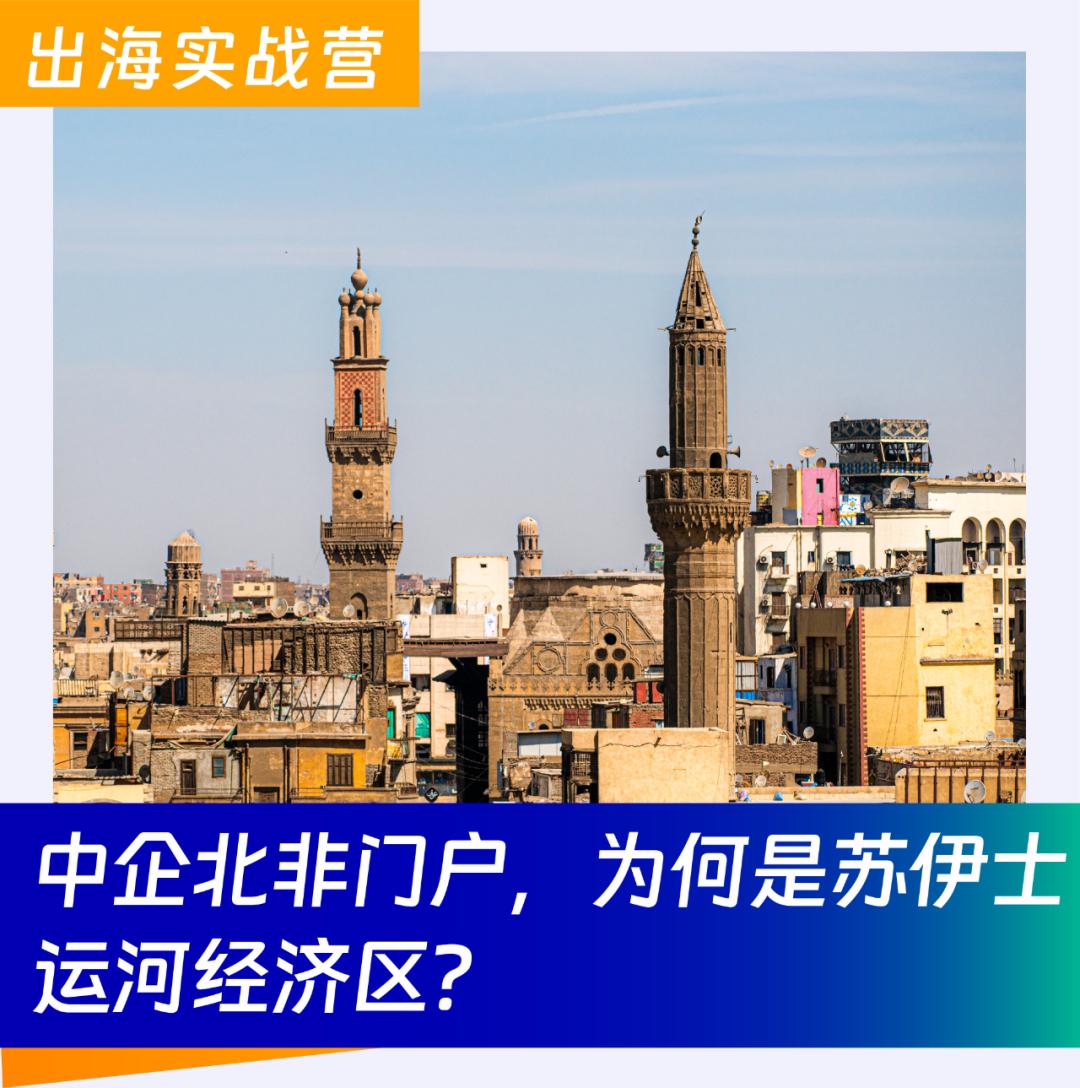
As an important member of BRICS connecting Asia, Africa and Europe, Egypt is entering the vision of an increasing number of Chinese enterprises with its superior geographical conditions and solid cooperation foundation. This article systematically sorts out Egypt's investment environment, policy dividends of the Suez Canal Economic Zone, and practical experience of front-line enterprises, so as to provide information reference for overseas enterprises that intend to deploy business in Egypt.
Investment Environment and Market Potential:
Four Advantages in Geographical Location, Labor Force, Infrastructure and Energy
01
Advantages of Geographical Location and Trade Agreements
Egypt is located at the intersection of Asia, Africa and Europe. The Suez Canal connects the Red Sea and the Mediterranean Sea, providing a key fulcrum for overseas enterprises to obtain maritime access. 12% of the world's trade goods pass through this waterway, with 26,000 ships transiting every year. The Eurasian shipping route via the canal can save about two weeks of sailing time compared to detouring around the African continent. In terms of trade access, Egypt has participated in a number of regional international trade agreements. In its cooperation with the European Union, products that meet the certificate of origin requirements are exempt from tariffs; relevant arrangements with countries including the United States can also apply for tax exemption under specific conditions. These agreements provide enterprises with preferential tariff channels to enter multiple overseas markets.
Labor Force and Market Advantages
Egypt has a total population of over 120 million, with a median age of only 24.7 years old and an average age of about 28 years old, featuring abundant labor supply and a young demographic structure. The monthly salary of blue-collar workers ranges from 150 to 180 US dollars, which is lower than that of neighboring Middle East countries. At the same time, the inflow of population from Sudan, Syria and other countries continues to increase. This group of people has strong consumption power, which superimposes on the demand of local residents, making Egypt show actual consumption potential exceeding that indicated by GDP data, and becoming an emerging domestic demand market worthy of attention.
Infrastructure and Policy Advantages
Egypt has continuously promoted infrastructure upgrading in recent years, building new strategic roads, commercial ports and airports, expanding the network of railway lines and high-speed railway stations, and strengthening water supply and water treatment capacity, providing more solid logistics and municipal supporting facilities for industrial implementation. In terms of business environment, the government has launched the "Golden License" system, providing preferential policies and one-stop approval services for major investment projects.
Energy and Resource Advantages
Egypt is rich in solar and wind energy resources, especially in coastal areas where the conditions for renewable energy are prominent, which can meet the power demand of industrial production. In the field of basic raw materials, it has abundant reserves of iron ore, flax, calcium phosphate and other resources, providing a stable upstream supply guarantee for capital-intensive and labor-intensive manufacturing industries.
Suez Canal Economic Zone:
Positioning, Layout and Development Strategy
02
The Suez Canal Economic Zone was established in 2015, located at the strategic hub connecting the Red Sea and the Mediterranean Sea. Up to now, more than 700 enterprises have gathered in the zone, equipped with 5 major ports and 15 industrial developers including Chinese developers, with over 100 industrial sites, and its industrial carrying capacity has begun to take shape.
Market Coverage and Trade Agreements
Enterprises settled in the economic zone can directly connect to more than 2 million customer groups, and the market radiation covers India, most African countries, the United States and some European countries. Egypt has signed free trade agreements and seasonal trade arrangements with many geographical regions including the Commonwealth of Nations in Africa, Europe, the United States and South America, making the park a convenient springboard for enterprises to expand multi-regional markets.
Industrial Zone Layout and Characteristics
The Suez Canal Economic Zone gathers more than 645 factories and 15 industrial developers, with clear functional positioning of each region. The southern area near the Red Sea mainly targets Asian customers; the northern area near the Mediterranean Sea focuses on radiating the European and American markets; the eastern area has concentrated labor resources, which is suitable for the development of labor-intensive industries; the West Qantara area is adjacent to cities, which better meets the needs of enterprises targeting the local Egyptian market.
Port Facilities and Characteristics
Sokhna Port is the largest port in the economic zone, located in the south, with a total area of 25 square kilometers, new quays extending 18 kilometers, water depth up to 18 meters, and 10 kilometers of railways connecting different port areas. In the future, it will also connect the Red Sea and the Mediterranean Sea through high-speed railways. Other ports including East Port Said and Delta Order Facility Center have their respective divisions of responsibilities, which can meet the diversified cargo transportation demands for bulk cargo, containers and other goods.
Development Strategy and Objectives
Since the Suez Canal Economic Zone was established in accordance with the law in 2015, it has formulated three specific plans around institutional construction, improvement of industrial ecology and establishment of regulatory framework. Its strategic goal is to build the special zone into an international investment and export platform and a global logistics hub, so as to promote industrial agglomeration and regional economic growth.
Experience of Enterprises Investing in Egypt:
Motivation, Risks and Practical Operations from Multi-perspectives
03
Risks and Challenges
Exchange Rate Fluctuation and Foreign Exchange Control: The Egyptian pound fluctuates greatly, and there is uncertainty in profit repatriation.
Frequent Policy Changes: Taking labor policies as an example, the minimum wage standard has been raised continuously within three years, with a cumulative increase of three times, leading to rising labor costs.
Low Administrative Efficiency: Outside the special zone, the company registration process can last up to 6 months, with slow approval and low customs clearance efficiency. The time cost far exceeds the expectation of domestic enterprises, so it is necessary to reserve sufficient margin for administrative links when formulating the implementation schedule.
Legal and Labor Compliance: The legal system is complex, and the settlement cycle of commercial disputes is relatively long; in addition, the proportion of foreign employees is limited to 10%.
Implementation Practices
Settle in the Special Zone to Improve Efficiency: The Suez Canal Economic Zone provides one-stop approval services, which can greatly shorten the cycle from registration to production, and avoid the lengthy administrative process outside the special zone.
Equip with Local Tax and Legal Consultants: Egypt's tax system is complex and policies are adjusted frequently, so it is difficult for the enterprise's internal team to fully grasp the compliance requirements. Enterprises can cooperate with local professional institutions to deal with potential risks in tax declaration, labor compliance, policy changes and other links.
Hedge Exchange Rate Risks: RMB settlement can be adopted in capital transactions to reduce the financial impact of Egyptian pound exchange rate fluctuations and stabilize the expectation of profit repatriation.
Attach Importance to Localized Management: Respect Islamic customs, such as daytime fasting and alcohol prohibition during Ramadan, and give full consideration to these factors in daily management and employee care.
* The information and opinions contained in this article do not constitute any investment advice and are for reference only
This article is from the WeChat Official Account "Zhejiang Enterprises Overseas Expansion Comprehensive Service Port".