Cultural Global
From "going global" to "entering the global market", find new solutions for enterprise globalization in Hangzhou.

From the global popularity of "Black Myth: Wukong" to "Ne Zha 2" topping the global box - office chart of animated films, from the overseas expansion of China's electric vehicle industry chain to DeepSeek shocking the global technology circle, China's "hard power" and "soft narrative" have reached new heights in going global.
Against the backdrop of the profound transformation of the international landscape in 2025, there are more opportunities but also greater challenges on the path of going global. How should enterprises respond to truly achieve the leap from "going global" to "entering the global game"?
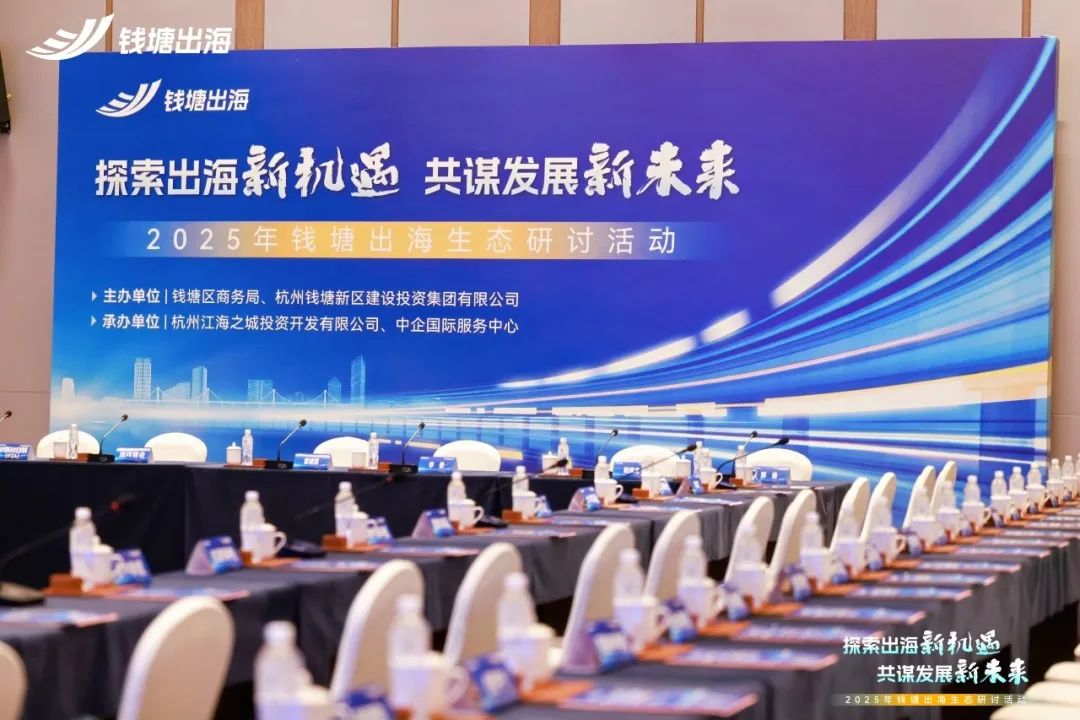
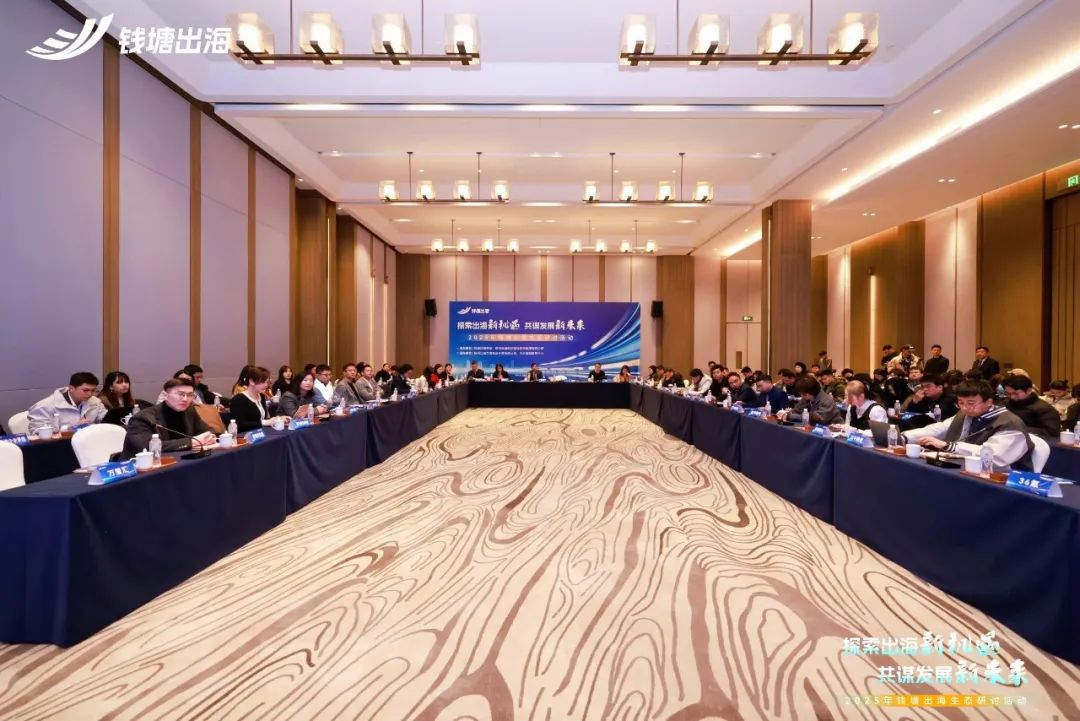
Against this backdrop, on February 25th, the "2025 Qiantang Going - Global Ecosystem Seminar" was held in Qiantang District, Hangzhou. The seminar was hosted by the Bureau of Commerce of Qiantang District and Hangzhou Qiantang New Area Construction and Investment Group Co., Ltd., and organized by Hangzhou Jianghai City Investment and Development Co., Ltd. and the China Enterprises International Service Center. It focused on key issues such as the latest trends in going global, interpretation of industrial policies, and pain points of enterprises going global. Special guests including experts from the Ministry of Commerce, representatives from the Dubai Chamber of Commerce and the IFZA Free Trade Zone gave keynote speeches, and more than 50 going - global enterprises and professional service institutions had in - depth interactive exchanges on site.
Li Jun, the deputy director of the management committee of the new area and a member of the Party group of the district government, introduced the strategic positioning and geographical advantages of Qiantang New Area. She said that as an important part of Qiantang New Area, the China Enterprises International Service Center aims to "gather global service providers and assist enterprises in globalization" and has built a one - stop going - global service platform for two - way investment with the "1 + 2+N" model. By constructing an integrated service platform to support enterprises in "going out" and "bringing in", establishing an online and offline service system with two major functions of "government services + business services", and gathering multiple service institutions composed of "professional services + industrial services", it provides full - chain and one - stop support for enterprises' global development.
Seize new challenges in going global and jointly create a new future overseas
From a global perspective, anti - globalization protectionism, changes in the multilateral rules system, and the intensifying competition in high - tech fields such as AI are continuously bringing new challenges to countries around the world.
Before formulating a going - global strategy, enterprises should first know themselves and their opponents well and grasp the overall international situation and major risk points.
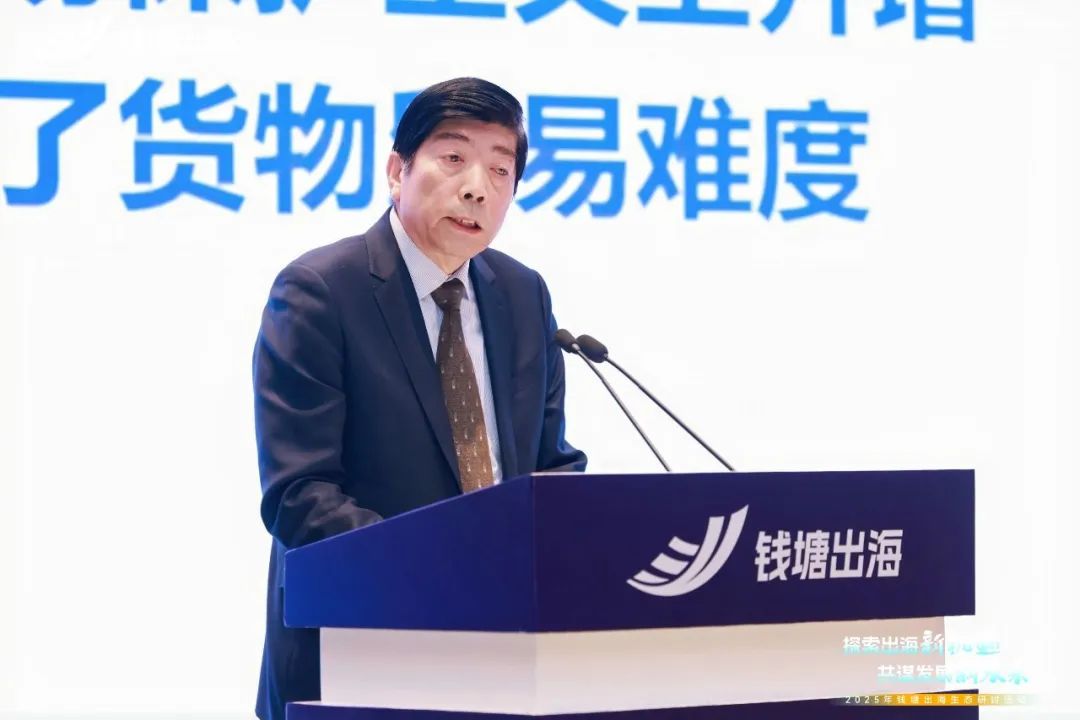
Huo Jianguo, former president of the Chinese Academy of International Trade and Economic Cooperation
Huo Jianguo, former president of the Chinese Academy of International Trade and Economic Cooperation, based on his long - term experience in economic and trade management, policy research, foreign trade negotiations, and multilateral cooperation in international relations, said at the seminar that whether it is "passively going global" due to international relations or "actively going global" out of their own needs, going global has become an inevitable choice for Chinese enterprises' development.
Huo Jianguo said that currently, the external environment for enterprises' overseas investment is becoming increasingly complex, including the intensifying conflicts in geopolitical contradictions, the potential challenges brought by Trump's tariff policies, the increasing difficulty of goods trade due to the rise of trade protectionism, and the new requirements for investment put forward by high - standard international rules. Therefore, participating in international competition and actively making foreign investments have become an inevitable trend for Chinese enterprises' development. On the one hand, moving from trade to investment meets the internal needs of enterprise development. On the other hand, investment is also an effective way to ease trade frictions.
Huo Jianguo specifically reminded that there are both opportunities and challenges in going global. For Chinese enterprises' overseas investment to be carried out smoothly, they need to choose an investment model suitable for their own development, such as establishing a joint - venture company and building a community of interests with local partners. Secondly, before entering different countries and regions, they should pay attention to market environment research, compliant operation, and risk prevention, and rely on professional going - global institutions for help when necessary.
The alternation of old and new markets is also a major change in the going - global landscape in recent years. The rapid growth of trade exports and industrial investments in emerging markets along the "Belt and Road" has made more and more developing countries replace traditional European and American regions as new destinations for Chinese enterprises to go global.
The Middle East is currently a popular region attracting the attention of Chinese enterprises, especially countries like the UAE and Saudi Arabia.
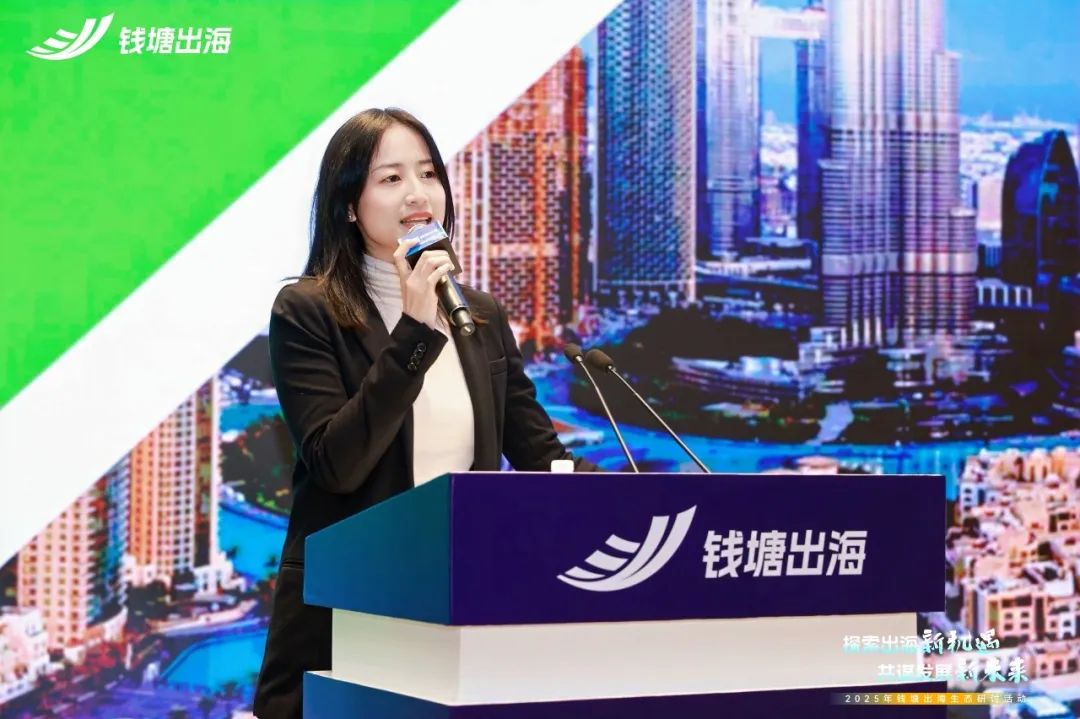
Zhuo Jiameng, the head of the Shanghai office of the Dubai Chamber of Commerce
Zhuo Jiameng, the head of the Shanghai office of the Dubai Chamber of Commerce, introduced the market environment and investment advantages of Dubai. Dubai is the gateway to the Middle East, Asia, and Africa, ranking among the top in the world in terms of connectivity in fields such as goods trade, transportation, and finance. Coupled with its favorable tax policies and an increasingly perfect capital market and financial service system, it is constantly attracting more and more foreign direct investment (FDI). The close, stable, and sustainable development of China - UAE relations also provides a good foundation for Chinese enterprises to invest in Dubai.
Zhuo Jiameng introduced that as of now, more than 15,000 Chinese enterprises have established company entities in the UAE. As an important platform for Dubai's "going out" and "bringing in", the Dubai Chamber of Commerce has set up 35 international offices around the world. It is committed to supporting Chinese enterprises' investment and development in the Middle East and even globally by creating a good business environment, and further promoting Dubai to become the most internationalized business center.
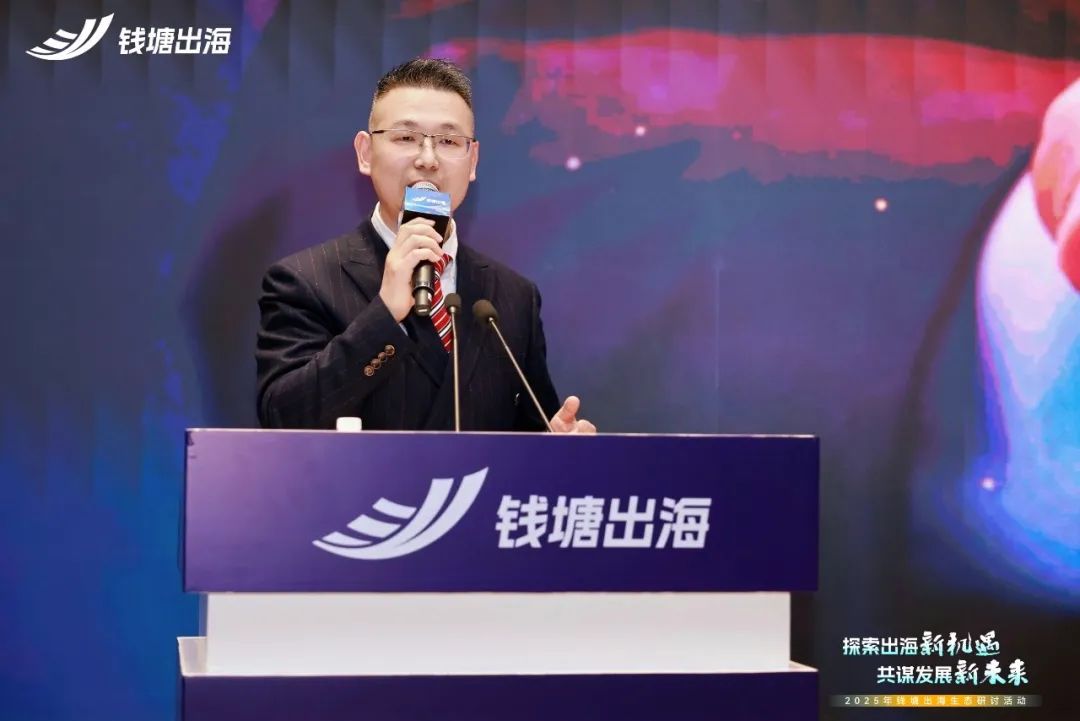
Du Jing, the representative of IFZA in China
Du Jing, the representative of IFZA in China also mentioned that the diversified and open free - trade zone ecosystem and the perfect legal system have made Dubai the first stop for Chinese people going global. Du Jing, the representative of IFZA in China, introduced that IFZA (Dubai International Free Trade Zone), as a free trade zone established by the Dubai government, attracts many international investors with its convenient registration process, preferential tax policies, and diverse business forms.
In 2024 alone, nearly 20,000 enterprises were registered and established in IFZA, accounting for nearly 40% of the total in the UAE. Among them, there were more than 1,000 Chinese enterprises, covering investment and trade, logistics and supply chain, and IT consulting. Du Jing specifically mentioned that small and medium - sized enterprises contribute more than half of the UAE's GDP and account for more than 90% of newly registered enterprises, and also have a high proportion in IFZA.
Pain points in going global are hard to solve, and professional institutions provide escort
During the process of going global, due to the huge differences in policies, regulations, business conditions, and market characteristics of different markets, it is time - consuming, labor - intensive, and easy to make detours for enterprises to explore on their own. Therefore, relying on professional service institutions has become the choice of more and more enterprises when going global.
At the seminar, many professional going - global service institutions analyzed the challenges faced by enterprises going global from the perspectives of cross - border financial settlement, logistics and transportation, legal compliance, talent development, digital transformation, and information and communication, and shared their going - global experiences based on their own businesses.
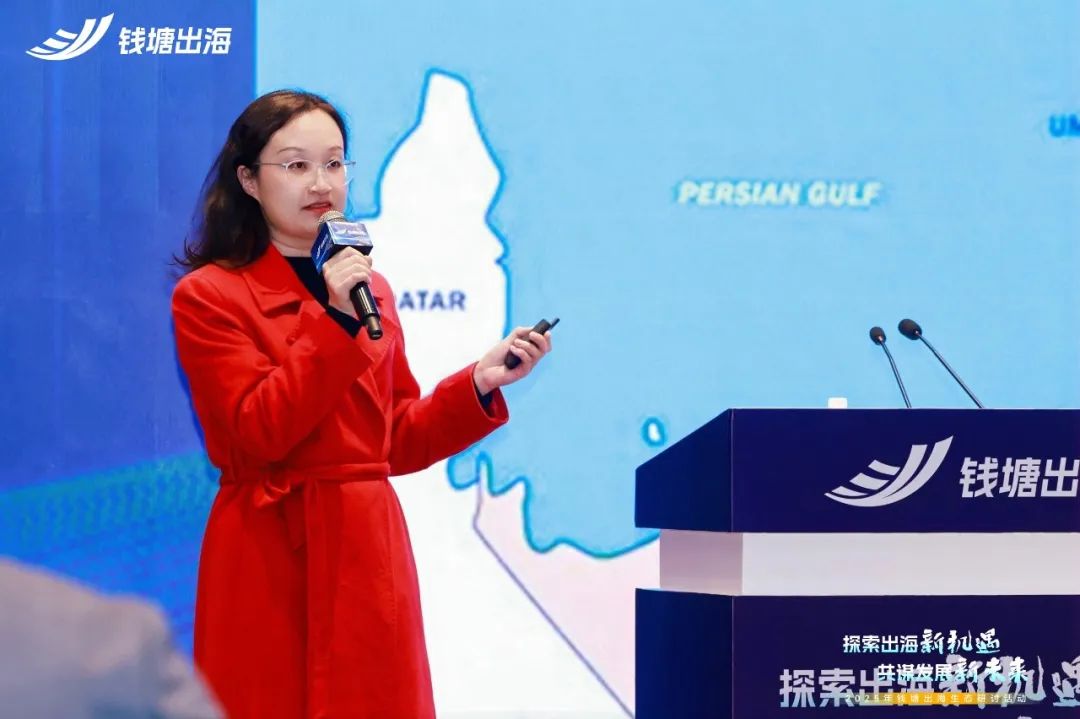
Xie Yun, the overseas business director of Zhejiang Post and Telecommunication Engineering Construction Co., Ltd.
For example, Zhejiang Post and Telecommunication Engineering Construction Co., Ltd. took "Market access conditions and experience sharing in the Middle East engineering market" as the theme and introduced the company's several stages of going global, from "riding on others' boats to go global" and trial - sailing in nearby waters to joint creation and "going global in groups". By responding to the country's "Belt and Road" initiative and continuously deepening its presence in the Middle East, the company has coordinated its domestic ecological capabilities and transferred them to the Middle East, East Africa, and Southeast Asia. It has innovatively explored operation models such as financing factoring and buyer's credit, achieved diversified, professional, and localized development in countries such as Saudi Arabia and the UAE, and established business capabilities covering traditional communication, digital infrastructure, and power/new energy.
During the process of enterprises' transformation from going global to globalization, it is becoming increasingly important to build an overseas talent echelon and create a "global employer brand". However, a difficult problem for going - global enterprises is that due to the differences in employment laws, cultural backgrounds, and values, the expectations of local job - seekers in different regions regarding the work environment, career development paths, salary and benefits, etc., may often conflict with the enterprise's brand values.
Regarding overseas talent strategies, LinkedIn and Yunsheng Group respectively shared their practical experiences in overseas talent recruitment, overseas employment compliance, brand marketing, and skills training services to help Chinese enterprises build multi - dimensional global capabilities in human resources.
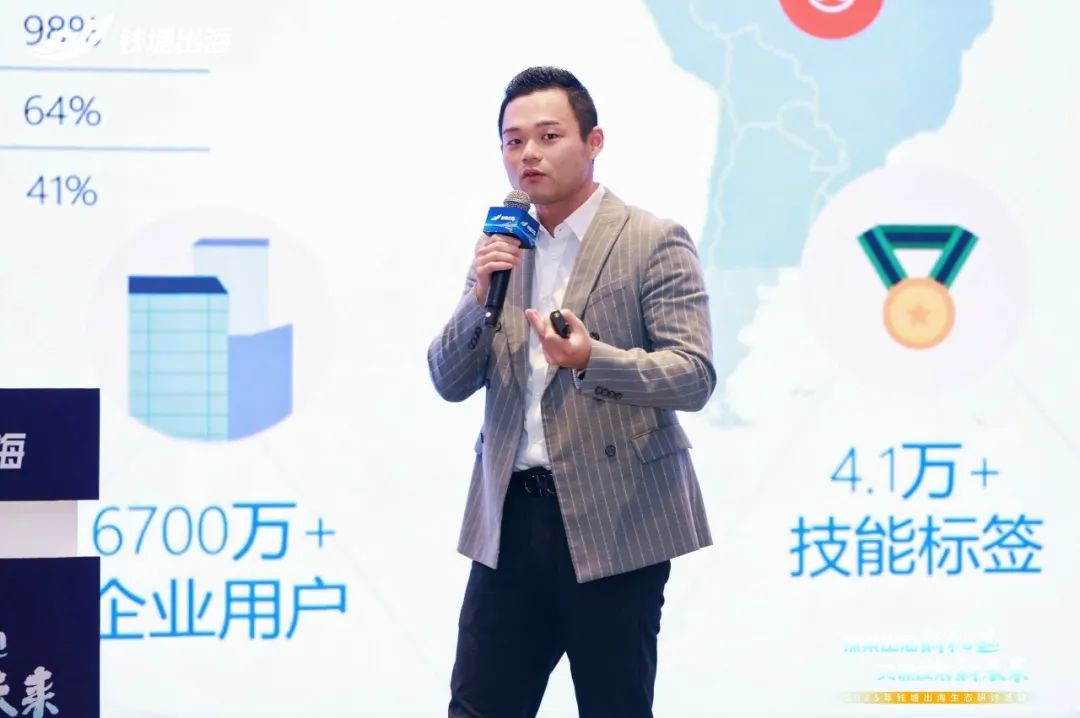
Zhang Fei, the general manager of the new business development department of LinkedIn's talent solutions in China
LinkedIn focuses on precise overseas talent recruitment, global employer brand marketing, and cross - border customer development, and constructs a cross - cultural talent supply chain through digital talent solutions.
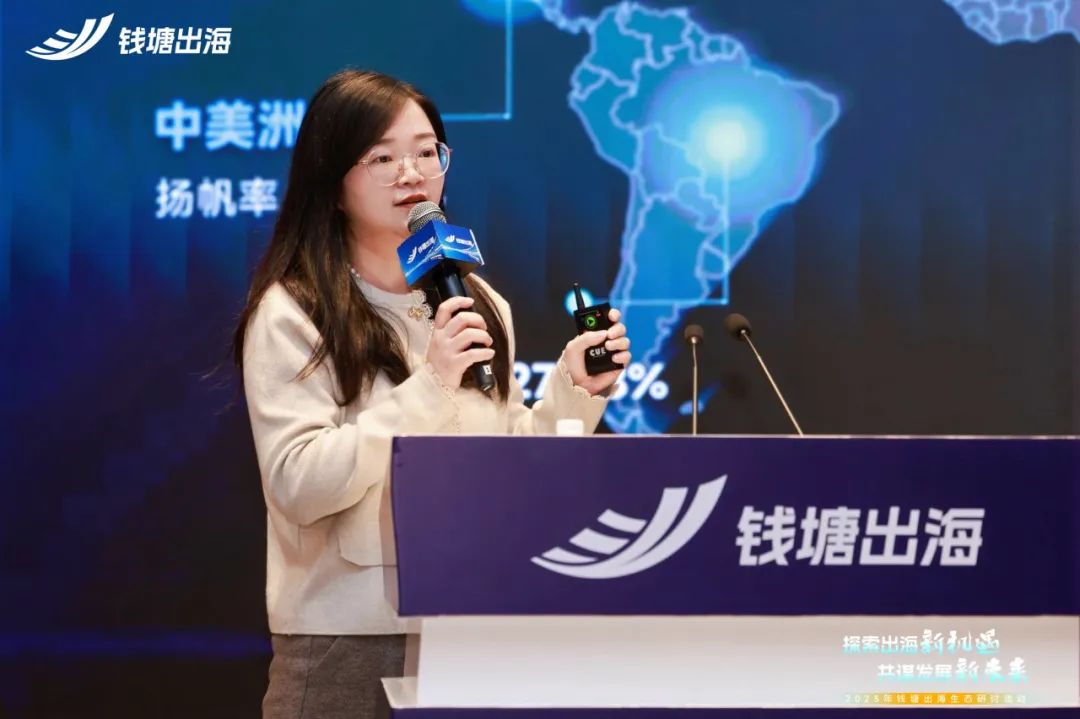
Wang Hongyan, the person - in - charge of Yunsheng Group's going - global business
Yunsheng Group continues to deepen its efforts in overseas employment compliance management, cross - border personnel dispatch implementation, and the selection, cultivation, employment, and retention of local employees. It provides full - chain human resources services to support enterprises' global layout and jointly enables Chinese enterprises to achieve a real global leap in the talent strategy.
Before going global, enterprises need to quickly sort out the overall picture of the overseas target market and identify the key risk points of investment and market entry, so as to reduce the cost and risk of enterprises' going - global strategic planning. Digital tools such as big - data technology and AI capabilities can provide more efficient and effective solutions for enterprises.
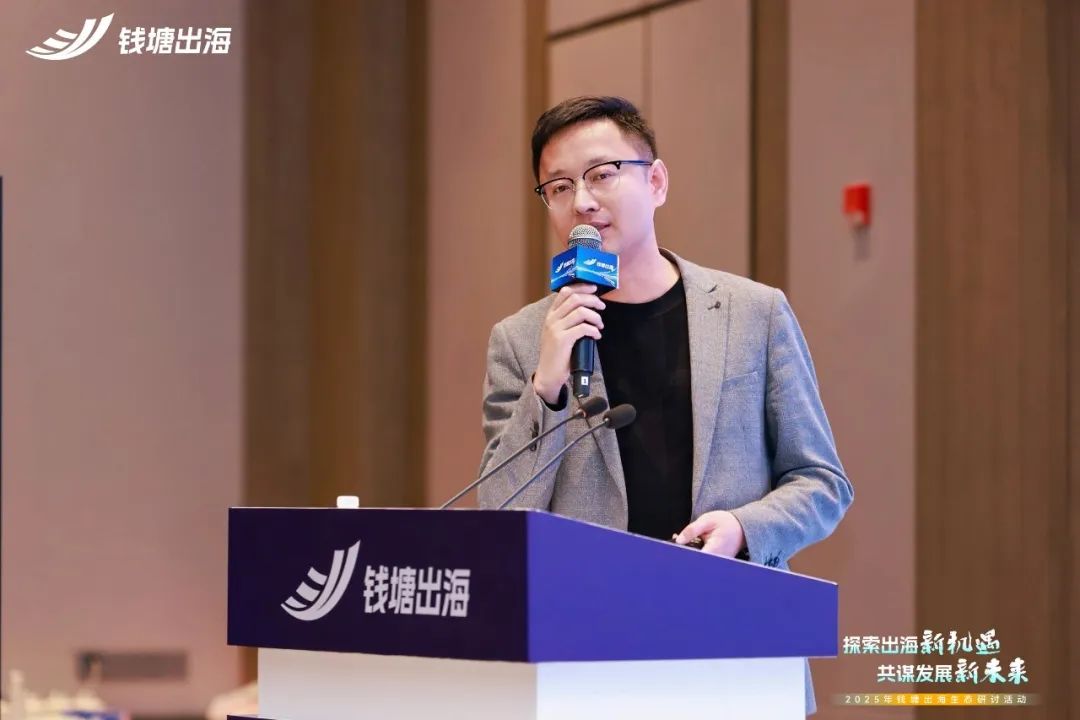
Li Xuehui, the director of ecological development of Boyaa Technology Co., Ltd.
Boyaa Technology, as a global IT consulting, product, solution, and service provider, currently has more than 80 branches, R & D bases, or delivery centers in 13 countries around the world. Since its establishment in 1995, Boyaa Technology has laid out its global market map with an international perspective and launched its globalization strategy in 2000. Boyaa Technology has the ability to deliver services in multiple languages and across regions globally and flexible and diverse delivery models. After more than 20 years of going - global journey, Boyaa Technology has accumulated rich practical experience. By accurately identifying overseas market opportunities and local policies, it helps enterprises clarify their going - global paths and strategies and truly achieve long - term development of overseas business.
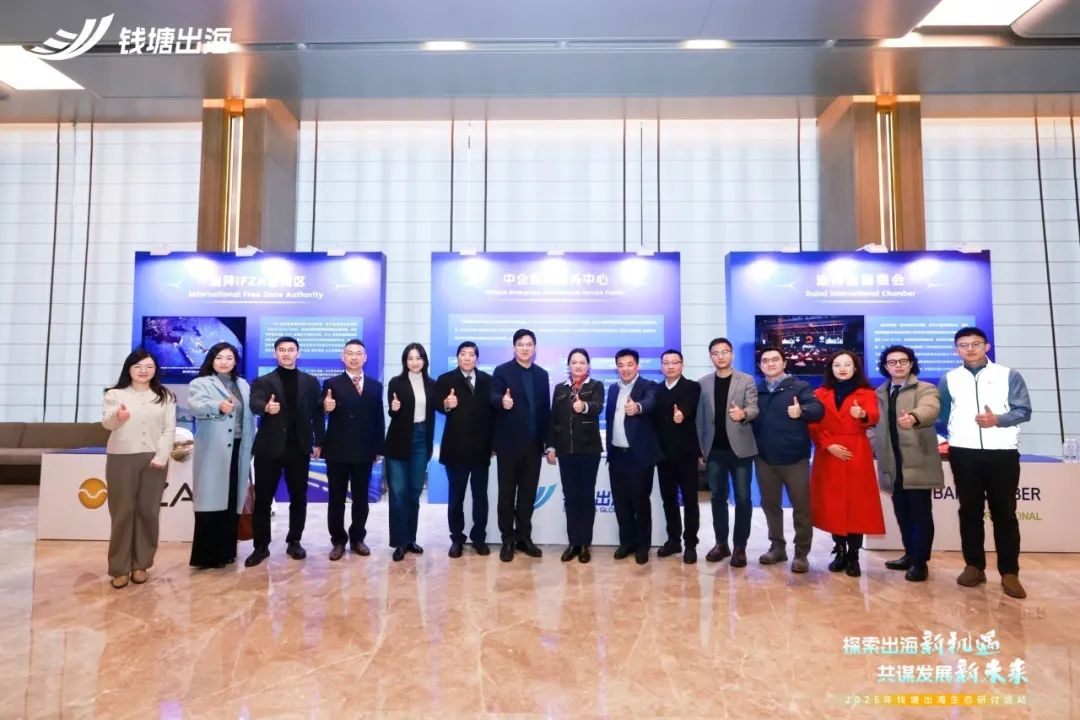
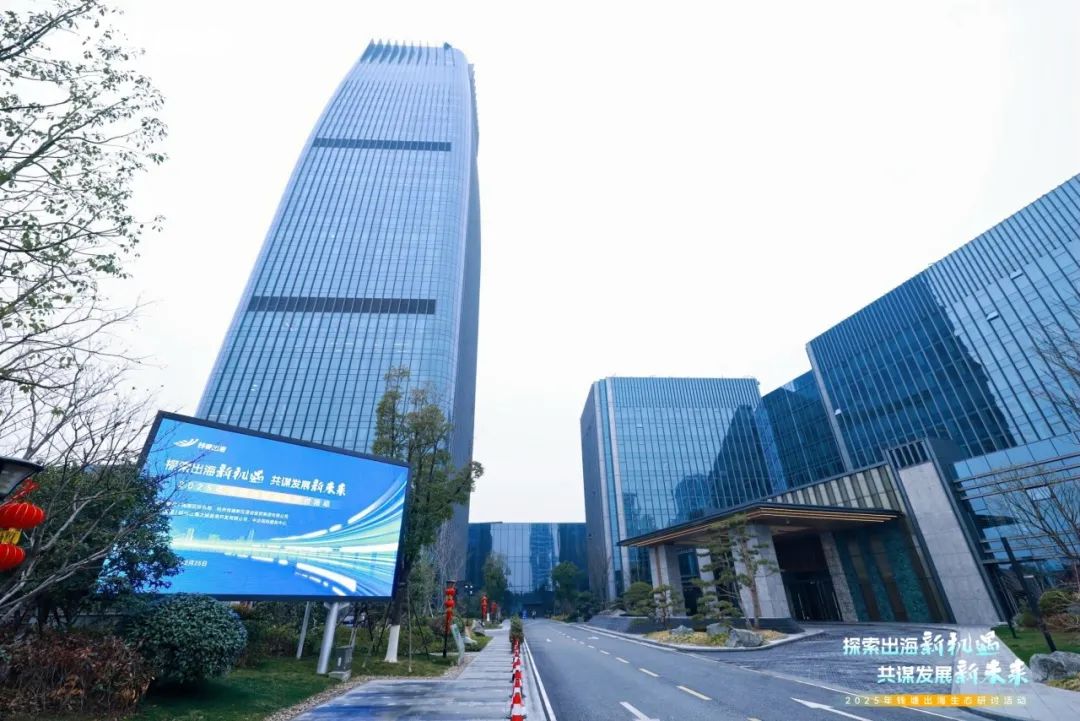
The construction of the China Enterprises International Service Center is a key move by Qiantang Construction and Investment Group to respond to the country's "dual - circulation" strategy and empower the high - quality development of the regional economy. In the next three years, it will focus on building the "China Enterprises International Port", output a going - global methodology with national influence through think - tank research, case precipitation, and brand activities; focus on Qiantang's advantageous industries such as intelligent manufacturing and the digital economy, deeply connect with overseas parks, business associations, and international exhibition resources, promote the "going global of industrial clusters", and help Chinese and foreign enterprises achieve ecological win - win.
In her closing speech, Li Jun highly appreciated the successful holding of the event and the wonderful speeches of the guests. She invited entrepreneurs to find business opportunities in Qiantang and seek cooperation, and expressed her expectation that the China Enterprises International Service Center would, starting from this event, accelerate its construction into a "one - stop going - global service platform for enterprises".

This article is from the WeChat official account "Hangzhou Qiantang Enterprises Going - Global Service Base". The author is Qiantang Going Global, and it is published with authorization from Qiantang.